Dekabi Stem Cell Clinic · Personalized Regenerative Care in Gangnam, Seoul
en-US
Why High-Performing Athletes Use Stem Cell Therapy for Immune Health?
Discover why high-performing athletes use stem cell therapy to boost immune health, speed recovery, and enhance performance. Learn more about its benefits!
Introduction
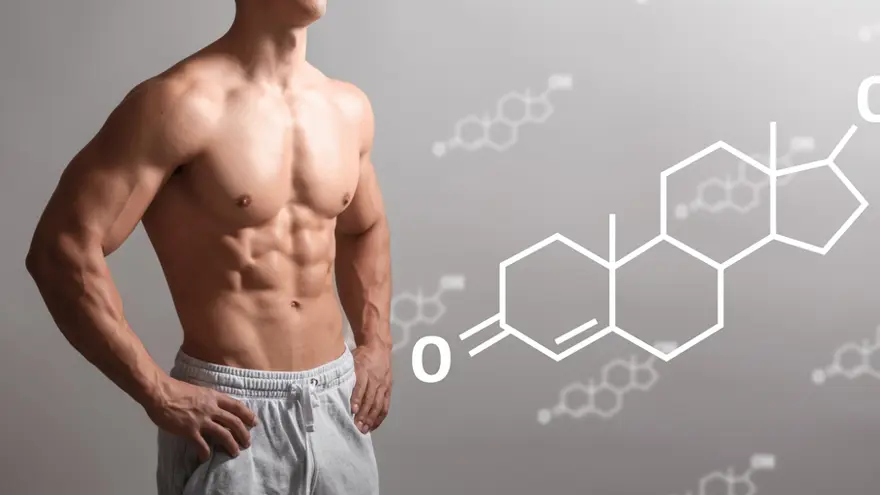
Elite athletes operate at the edge of human performance: pushing through intense training, frequent competition, travel, and sometimes injury. In this high‑stress environment, maintaining a optimally functioning immune system is critical—yet also challenging. Enter stem cell therapy, a regenerative‑medicine tool increasingly adopted by high‑performing athletes not only for injuries and tissues, but also for immune health and resilience.

At the Dekabi Stem Cell Clinic, we believe in personalized, cutting‑edge regenerative medicine, combining stem‑cell protocols with holistic support (detox, energy medicine, lifestyle optimisation). For athletes seeking not just repair, but long‑term resilience and immune optimisation, stem cell therapy offers a compelling avenue.
In this article, we explore:
The immune‑challenges faced by high‑performing athletes
The biological rationale behind stem cell therapy for immune health
Evidence (and limitations) around its use in sport
How a regenerative medicine clinic like Dekabi approaches this specifically for immune health
Practical considerations and takeaway messages.
Immune Stress in High‑Performing Athletes
Physical stress and immune dysregulation
When training volume and intensity are high, athletes can experience transient immune suppression: increased susceptibility to upper respiratory tract infections, delayed recovery, and chronic inflammation. Travel, disrupted sleep, nutritional challenges, and micro‑injury all contribute. This means the immune system is being taxed constantly.
Why immune health matters for performance
Infections or immune‑related illnesses mean downtime, impaired performance, increased risk of injury.
Subclinical immune activation/inflammation (e.g., due to micro‑trauma, systemic stress) can impair systemic recovery, affect tissue healing, cause fatigue and performance dips.
A resilient, well‑modulated immune system supports quicker recovery, better adaptation, optimal tissue regeneration and reduced risk of overtraining or burnout.
Given these demands on the athlete’s immune system, adopting a regenerative approach that supports immune balance, tissue repair, and systemic resilience becomes strategically attractive.
Why Stem Cell Therapy for Immune Health?
What are stem cells?
Stem cells are unique cells capable of self‑renewal and differentiation (in some cases) into specialised cell types. In regenerative medicine, one common type is mesenchymal stem/stromal cells (MSCs) which are adult stem‑cell populations found in bone marrow, adipose tissue, umbilical‑cord tissue, etc. They don’t merely turn into tissue‑cells, but exert broad paracrine, immunomodulatory, and trophic effects.
Immunomodulatory properties
One of the key reasons athletes are increasingly turning to stem cell therapy for immune support is immune modulation rather than just tissue repair.
MSCs secrete growth factors, cytokines, chemokines and extracellular vesicles (exosomes) that modulate immune cells: they can dampen excessive pro‑inflammatory responses and promote regulatory/anti‑inflammatory pathways.
This means they create an environment more conducive to regeneration rather than chronic inflammation or fibrosis.
For example: when the athlete’s body is under continual physical stress, immune cells may be in a heightened state of activation (leading to micro‑inflammation), which impairs recovery. Stem cells help shift that balance.
Tissue repair, regeneration and systemic benefit
Although the main focus is immune health, the downstream benefit is that better immune regulation supports tissue repair and regeneration—key to athletes who sustain micro‑trauma (muscles, tendons, joints, ligaments) during training and competition. The dual benefit: support immune health and optimise the body’s regenerative capacity.
Holistic resilience: not just injury
For an athlete, immune health isn’t only about avoiding illness; it’s also about being ready for the next session, managing training load, reducing downtime, optimally recovering. Stem cell therapy supports this resilience paradigm. At a clinic like Dekabi, the goal isn’t only “fix the injury” but “optimise the athlete’s internal environment” to support long‑term performance and health.
Evidence & Reality Check
Growing adoption in sports & regenerative medicine
There is clear uptake of stem cell therapies among athletes, particularly in musculoskeletal injuries and recovery settings. One website lists dozens of professional athletes who have pursued stem cell or biologics use. Reviews in orthopaedics show stem cell therapy is a promising field for tissue repair.
What about immune‑specific outcomes?
While many studies focus on injury/tissue repair, less robust data exist specifically for immune enhancement in athletes. Regulatory authorities emphasise caution: in the US, for example, no stem cell therapies are approved for muscle, joint or tendon injuries, and many remain investigational.
Mechanistic backing
There is mechanistic evidence: MSCs’ paracrine effects, immunomodulation, anti‑inflammatory signalling, angiogenesis, improved matrix remodelling. These mechanisms support the hypothesis that stem cell therapy could aid immune health and systemic recovery in athletes.
Limitations and cautions
Regulatory status: Many clinics operate in jurisdictions with varied regulation; some treatments may be unproven.
Heterogeneity of protocols: Types of stem cells (autologous vs allogeneic), the manipulation, delivery method (local vs systemic), adjunct therapies vary widely. Outcomes are not uniform.
Cost, downtime, expectations: Stem cell therapy is not a shortcut for elimination of training, rest, rehab. Proper rehab and loading are essential post‑treatment.
Evidence gap: Especially for purely “immune health” applications in athletes (vs repair of damaged tissue) the long‑term data are still emerging. Sports medicine bodies recommend informed decision‑making.
In short: while the promise is high, athletes and practitioners should approach with both optimism and caution—choosing reputable providers, clear expectations, and integrated rehab protocols.
How Dekabi Stem Cell Clinic Approaches Athlete Immune Health?

At the Dekabi Stem Cell Clinic in Seoul’s Gangnam District, we combine our core regenerative‑medicine strengths with athlete‑specific immune‑health protocols. Here’s how we approach it:
Personalized Diagnostics & Baseline
We evaluate an athlete’s immune status, training load, recovery metrics, inflammatory markers, lifestyle factors (sleep, nutrition, travel stress).
Understanding the athlete’s unique context (training volume, travel schedule, previous injuries, chronic stress) is essential to tailor the therapy.
Stem Cell Therapy with Immune Focus
We utilise MSC‑based therapies (with our 22 + years of stem cell therapy experience, 34 + years in med field, led by Dr. Baek) to support immune regulation, tissue repair and systemic resilience.
The protocol may involve intravenous (systemic) delivery of stem cells for immune support plus targeted local delivery if there are specific musculoskeletal concerns. The systemic route helps modulate whole‑body immune/inflammatory responses.
We emphasise “1:1 Personalized Stem Cell Therapy” — meaning the therapy is tailored, combined with lifestyle/holistic support.
Integrative Support: Detox, Energy Medicine, Lifestyle
Immune health is rarely improved by a single injection alone. At Dekabi, we integrate:
Detox support (to reduce toxic load, which may impair immune function)
Energy medicine (to support nervous and hormonal balance)
Nutritional/lifestyle coaching (sleep, travel recovery, training‑load modulation)
This integrative model supports not just the stem‑cell treatment, but the internal environment where the athlete’s immune system operates.
Chronic Disease & Pain Management Nexus
Many high‑performing athletes also accumulate micro‑traumas, overuse, chronic pain and low‑grade inflammation. These states undermine immune function. At Dekabi we treat these as part of the immune‑health strategy. Treatment of chronic pain, musculoskeletal imbalances, metabolic stress contributes to immune system optimisation.
Long‑Term Health and Anti‑Aging
Given that elite athletes often push the body hard over many years, we also view immune health through the lens of long‑term resilience and anti‑aging: reducing chronic inflammation, supporting cellular repair, maintaining tissue integrity. This is aligned with our anti‑aging/functional neurology services.
Why Athletes Choose Us?
Proven stem‑cell expertise: over 22 years in stem cell therapy under Dr. Baek’s leadership.
Regenerative medicine applied not just for injury but for systemic, long‑term health and immune resilience.
Holistic and personalized: every athlete’s therapy is customised, not one‑size‑fits‑all.
Bilingual care (Korean, English) to support international athletes.
Minimally invasive, cutting‑edge approaches aligned with sports performance demands.
Conclusion
In today’s competitive sports landscape, the margin between good and great often lies in how quickly an athlete recovers, adapts and maintains resilience. Immune health is a foundational pillar of that resilience. By leveraging regenerative medicine and stem cell therapy in a thoughtful, personalized way, athletes can support their immune systems not just for injury repair, but for sustained peak performance and long‑term health.
At the Dekabi Stem Cell Clinic, our mission is to provide elite athletes and high‑performance individuals with advanced regenerative solutions—guided by decades of experience, a holistic approach, and the goal of long‑term well‑being. If you’d like to explore how stem cell therapy might support your immune health and performance journey, we’d be happy to discuss a tailored plan.