Dekabi Stem Cell Clinic · Personalized Regenerative Care in Gangnam, Seoul
en-US
The Link Between Gut Health, Diabetes, and Stem Cell Therapy
Explore the connection between gut health, diabetes, and stem cell therapy—how a balanced microbiome may boost treatment outcomes. Learn more today!
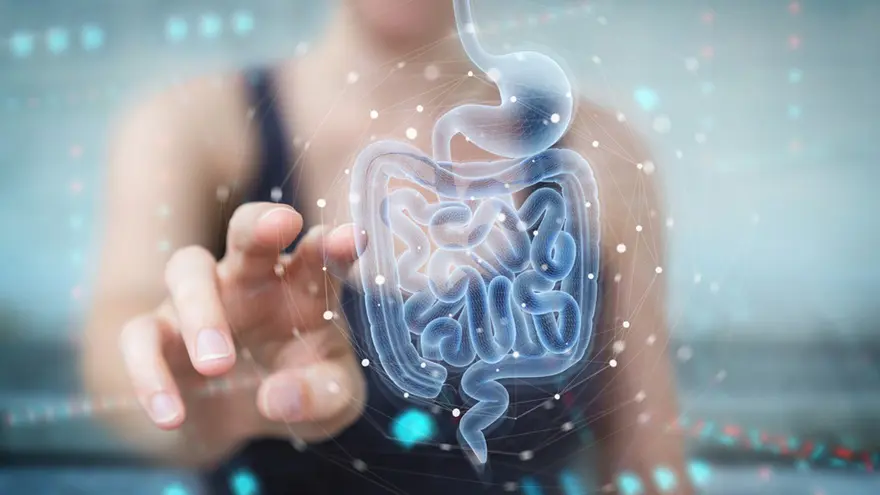
The gut‑pancreas/metabolism connection in diabetes

1. Gut microbiome & metabolic health
The “gut microbiome” (the ecosystem of bacteria, viruses, fungi, etc., in our intestines) has emerged as a key player in metabolic health. Alterations in gut microbial composition and function have been found in people with Type 2 Diabetes (T2D) (and to some extent in Type 1 Diabetes (T1D)) compared with healthy individuals.
For example:
A large multi‑ethnic study found specific gut microbial species (and even bacteriophages) that are more common in people with T2D, suggesting microbiome shifts may precede or promote diabetes risk.
Reduced microbial diversity (a marker of “unhealthy” microbiome) is often seen in obesity, insulin resistance and T2D.
The gut microbiome influences host metabolism via production of metabolites (e.g., short chain fatty acids, branched chain amino acids), modulation of gut barrier integrity, inflammatory signalling, and cross‑talk with liver, pancreas, adipose tissue.
2. How gut dysfunction relates to diabetes pathophysiology?
Here are some of the mechanisms by which the gut may contribute to diabetes (both T2D and, indirectly, T1D):
Increased intestinal permeability (“leaky gut”): When the gut barrier is compromised, bacterial products (e.g., lipopolysaccharide) and other pro‑inflammatory factors may enter circulation, triggering low‑grade inflammation, which promotes insulin resistance and damages β‑cells.
Dysbiosis (imbalanced gut flora): Altered microbial communities may reduce beneficial metabolites (like butyrate) and increase harmful ones, affecting glucose metabolism, fat storage and immune responses.
Metabolite signalling: Gut microbes generate metabolites (e.g., short‑chain fatty acids [SCFAs], bile acid derivatives, branched chain amino acids) that influence insulin sensitivity, pancreatic β‑cell function, appetite regulation, and systemic inflammation.
Immune/gut‑immune axis: The gut is a major immune organ. Dysbiosis can shift immune balance toward pro‑inflammatory states, which in turn affect pancreatic islets, hepatic metabolism, adipose tissue.
Gut‑endocrine signalling: The gut secretes hormones (e.g., GLP‑1, GIP) in response to nutrients; these regulate insulin secretion, appetite, metabolism. Microbiome and gut‐health influence these hormone systems.
Thus, the gut isn’t just a “digestion organ” but a key metabolic and immunologic interface. When gut health is compromised, it sets up an environment that promotes insulin resistance, β‑cell stress, inflammation, and ultimately diabetes progression.
3. Clinical significance
What this means from a clinical/regenerative perspective: if we focus only on the pancreas/insulin but ignore the gut, we may be missing a major driver of disease progression. Improving gut health may:
Reduce ongoing β‑cell injury by lowering systemic inflammation and metabolic stress.
Improve insulin sensitivity, reducing burden on β‑cells.
Enhance the microenvironment for regenerative therapies (stem cells) by reducing “toxic” signals from gut dysbiosis.
Serve as a preventive strategy in early/pre‑diabetic states alongside regenerative or protective therapies.
Stem cell therapy & the gut‑pancreas axis
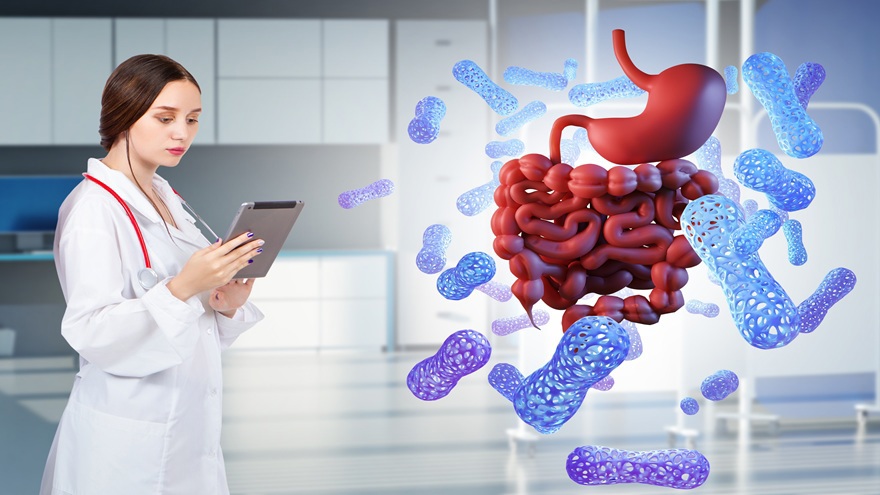
Now let’s link in how regenerative medicine—particularly stem cell therapies—interacts with this gut‑metabolism axis.
1. Stem cell therapy in diabetes: broader context
At its core, stem cell therapy for diabetes (especially T1D and advanced T2D) aims to:
Replace or regenerate damaged pancreatic β‑cells or support their survival/function.
Modulate immune/inflammatory responses to protect residual pancreatic tissue.
Improve tissue repair, reduce fibrosis, enhance vascularisation.
We know that mesenchymal stem cells (MSCs) and other progenitor cells have anti‐inflammatory, immunomodulatory, trophic (supportive) functions beyond just “differentiating into beta cells”.
2. Interplay with the gut: emerging research
There is emerging evidence that the benefits of stem cell therapy in diabetes may be mediated, at least partly, via gut mechanisms or the gut‑immune axis. Some key findings:
A study on Type 1 diabetes found that stem cell transplantation modulated the gut microbiota and intestinal mucosal immunity, thereby improving outcomes.
Another review pointed out that gut‐derived hormones (e.g., GLP‑1) can regulate MSCs (mesenchymal stem cells) in the T2D context—meaning gut endocrine health influences how stem cells behave.
The gut microbiome influences systemic inflammation, immune tone, metabolic stress—factors that affect stem cell survival, engraftment, function and the tissue environment into which they are introduced.
So, from our perspective: when we administer stem cell therapies aimed at pancreatic protection, if the gut environment is unhealthy (dysbiosis, inflammation, leaky gut), the “soil” in which the stem cells are supposed to act is suboptimal. This may reduce efficacy. Conversely, if we support gut health, we enhance the regenerative/preservative potential of our stem cell interventions.
3. Practical implications for regenerative care
Given the above, there are several practical take‑aways when designing a regenerative plan for diabetes/pancreatic protection:
Assess gut health (microbiome balance, intestinal permeability markers, inflammation, gut hormone status).
Prioritise gut‐friendly interventions before or alongside stem cell therapy. This may include diet, probiotics/prebiotics, lifestyle changes, gut barrier support, treatments to reduce gut inflammation.
Tailor stem cell therapy in a “gut‑plus‑pancreas” model: we are not just “injecting stem cells into the pancreas” (or systemically) and hoping—they must operate in a favourable systemic and gut environment.
Monitor outcomes not just in insulin/glucose terms but also gut/metabolic biomarkers: for example changes in gut hormone levels (GLP‑1), microbiome composition, inflammatory markers, gut integrity.
Educate patients: emphasise that regenerative therapy is enhanced when their gut health, diet, and lifestyle are optimised.
How we at Dekabi Stem Cell Clinic integrate this model?
At our clinic under the leadership of Eun Young Baek, our regenerative medicine protocols are designed to reflect this holistic paradigm: gut‑health + stem cell therapy + metabolic/pancreatic protection.
1. Pre‑treatment evaluation
We assess metabolic status (glucose, insulin resistance, β‐cell reserve), pancreatic health, chronic inflammatory markers.
We also evaluate gut health: gastrointestinal history, diet/lifestyle assessment, potential dysbiosis risk factors, gut hormone status (if available).
We may advise on gut‐microbiome supportive measures (diet, pre/probiotic interventions, gut barrier support) prior to major regenerative intervention so that the stem cell “baseline” is optimised.
2. Personalized stem cell therapy with gut support
Stem cell therapies (MSC infusions, regenerative support) are administered in the context of an optimised gut/metabolic environment—this increases the “take” and functional effect of the therapy.
We combine anti‐aging/regenerative support (detoxification, energy medicine) which also reduces systemic inflammation and metabolic stress, thereby improving both gut and pancreatic milieu.
We emphasise lifestyle modification (diet rich in fibre, fermented foods, gut‐friendly nutrients; regular exercise; sleep/stress optimisation) as integral, not optional, because the gut‑pancreas axis is modulated by these factors.
3. Follow‑up and monitoring
Beyond glucose/insulin/β‐cell function monitoring, we track improvements in gut‑related parameters: e.g., reductions in systemic inflammation, improvements in digestion/absorption, improvements in gut hormone responses if possible.
We adjust the treatment plan dynamically: if gut health remains poor (dysbiosis, leaky gut signs), we may intensify gut‐directed therapies and delay further regenerative “load” on the pancreatic system until the gut is stable.
Why this matters to you (as our patient)
At Dekabi Stem Cell Clinic, this integrated model means:
You’re not just a “diabetes/pancreas case” – we view your gut, immune/metabolic system, lifestyle, and stem cell potential as one system.
We aim for long‑term pancreatic health (“slow down, stop or reverse damage”) not only “short‑term glucose control”.
You will receive actionable recommendations (diet, gut support, lifestyle) that enhance the power of our stem cell therapies.
Because you are getting personalized regenerative medicine from a team with over 22 years of stem cell experience and over 34 years in the medical field (as our clinic profile indicates), you are benefiting from a forward‑looking model: gut–stem cell–pancreas connection rather than siloed care.
If you’re considering regenerative therapy for diabetes or pancreatic protection, discussing your gut health upfront may significantly improve outcomes—this is a unique differentiator of our clinic’s approach.
Final Thoughts
The connection between gut health, diabetes progression, and the effectiveness of stem cell therapy is a powerful and evolving area of regenerative medicine. At Dekabi Stem Cell Clinic, we understand that the pancreas does not operate in isolation—its health is deeply influenced by the gut environment, immune balance, and systemic metabolic conditions.
By integrating gut-optimization protocols with advanced stem cell therapy, we aim not only to repair or replace damaged beta cells but to create the ideal internal environment for long-term healing and protection. This whole-body approach is what sets Dekabi apart: we don’t simply target the disease—we support the body's natural systems to regenerate, adapt, and thrive.
Whether you're managing type 1 or type 2 diabetes, at early onset or advanced stages, we believe that improving gut health is foundational to preserving pancreatic function and enhancing the outcomes of stem cell therapy. This personalized, holistic care model ensures that every patient receives a treatment plan that respects their unique biology and promotes true healing from the inside out.
As research continues to confirm the gut-pancreas-stem cell connection, Dekabi remains committed to staying at the forefront—bringing science, compassion, and innovation together for lasting results.