Dekabi Stem Cell Clinic · Personalized Regenerative Care in Gangnam, Seoul
en-US
Stem Cell Therapy for Sun-Damaged Skin: What It Can Do
Revitalize sun-damaged skin with advanced stem cell therapy. Discover how it repairs, rejuvenates, and restores your skin’s health. Explore your options today!
Understanding Sun‑Damaged Skin

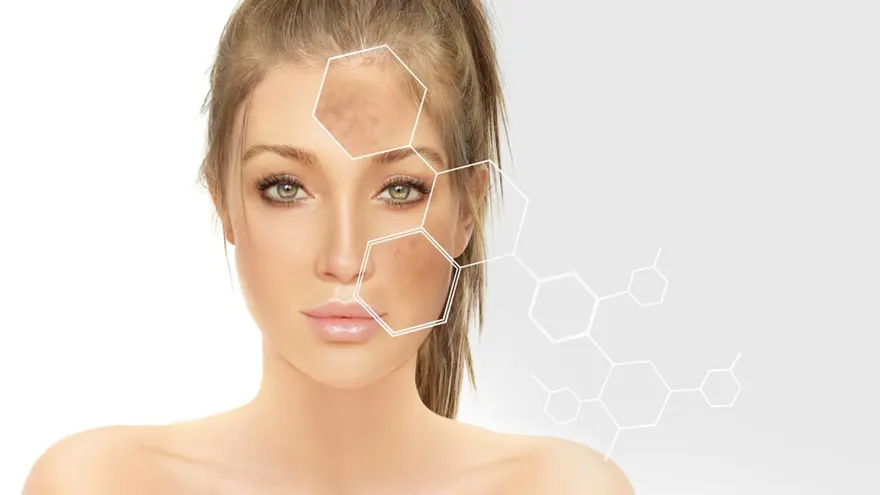
Sun‑damaged skin — often termed “photoaged” skin — results from prolonged exposure to ultraviolet (UV) radiation from the sun (or other UV sources). Over time, this UV‑induced damage accumulates and creates visible and structural changes. Some of the key features are:
Oxidative stress and free‑radical damage: UV rays trigger the formation of reactive oxygen species that damage cells, proteins (like collagen and elastin), and DNA.
Breakdown of collagen and elastin: Collagen gives skin firmness, and elastin gives skin its spring‑back. UV exposure accelerates the degradation of these fibres and suppresses new production.
Chronic inflammation and immune dysregulation: Repeated sun exposure triggers low‑grade inflammatory responses, altering the skin’s repair mechanisms.
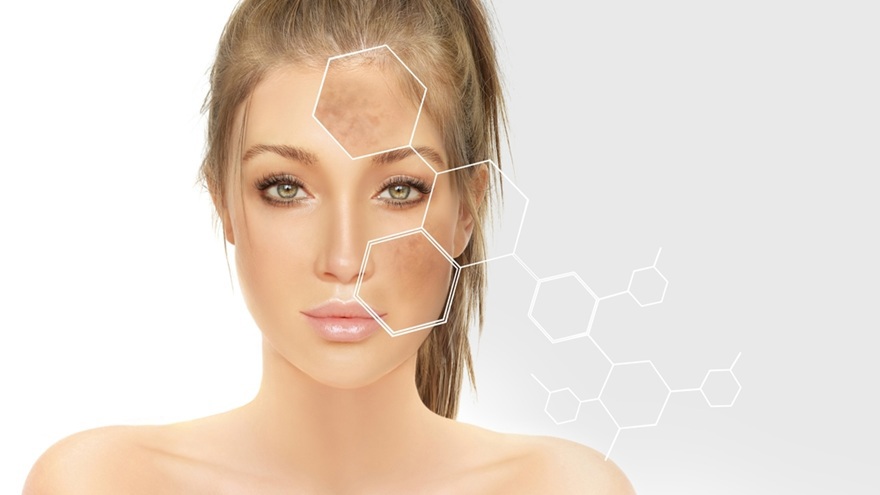
Pigmentation changes: Sun damage often produces uneven skin tone, hyperpigmentation (sun spots), mottled colouring.
Rough texture, dryness, loss of elasticity, fine lines & wrinkles: These are the visible consequences of the structural and cellular damage.
Deep dermal changes: Importantly, the damage is not just superficial. Studies show that even the deeper elastin network and extracellular matrix in the dermis are disrupted in sun‑aged skin.
In a clinical and regenerative context, reversing sun‑damage is thus a matter not only of improving surface appearance but restoring the underlying skin architecture, stimulating repair and renewal, and modulating the damaged biological environment.
What Stem Cell Therapy Can Achieve for Sun‑Damaged Skin?
When we talk about “stem cell therapy” for skin, particularly sun‑damaged skin, much of the current research revolves around a particular class of cells known as mesenchymal stem/stromal cells (MSCs) (from sources such as bone marrow, adipose tissue, umbilical cord, etc.). These cells, and/or the bioactive factors they secrete, have shown promise in skin repair and rejuvenation.
Here are the major ways stem cell therapies contribute to repairing sun‑damage:
1. Stimulation of new cellular repair
MSCs can respond to skin damage in several ways:
They may differentiate (directly or indirectly) into skin‑related cell types (e.g., dermal fibroblasts, keratinocytes) or support them.
More importantly, they secrete a rich mixture of bioactive growth factors, cytokines, and extracellular vesicles (EVs) that act in a paracrine (cell‑to‑cell signalling) way to mobilize endogenous repair.
These effects lead to increased fibroblast activity (the skin cells that make collagen), enhanced vascularisation (improved micro‑circulation), and improved dermal renewal.
2. Collagen remodelling and elastin network restoration
One of the underlying problems in sun‑damaged skin is disruption of the dermal extracellular matrix: loss of collagen, damaged elastin fibres, and a disordered network. Remarkably, research indicates that MSC‑based therapies can help regenerate this network. For example, one study found that within weeks, the “tangled, degraded and dysfunctional” elastin deposits in sun‑aged skin were being replaced by a normal fibre network after MSC treatment.
By stimulating collagen and elastin production, inhibiting the enzymes (matrix‑metalloproteinases, MMPs) that break down these fibres, and promoting structural renewal, stem cell therapy can help restore firmness, elasticity and smoother texture.
3. Reducing inflammation & oxidative stress
MSCs and their secretome (the mix of factors they release) possess anti‑inflammatory and antioxidant properties. They modulate cytokines (the signalling molecules of inflammation) and help protect cells from oxidative stress. This is critically important in sun‑damaged skin, where chronic inflammation and oxidative insults drive much of the deterioration.
4. Improving skin hydration, micro‑circulation, and metabolic renewal
By enhancing blood supply (neovascularisation), improving microvascular health and stimulating cellular metabolism, stem cell therapies can boost skin hydration, nutrient delivery, and waste removal. Healthier micro‑circulation supports more vibrant, resilient skin and helps reverse the “flat,” dull appearance typical of photo‑aged skin.
5. Correcting pigmentation and uneven tone
While less established than structural repair, there is growing evidence that stem cell‑derived factors can influence pigmentation processes (melanin production/distribution) and help even out skin tone in sun‑damaged areas. For example, EVs from umbilical‑cord MSCs have been studied in photodamage for their ability to regulate cellular responses.
How a Clinic Dekabi Stem Cell Clinic Approaches This?

At Dekabi Stem Cell Clinic in Gangnam, Seoul, our philosophy and practice aims to integrate these emerging regenerative treatments into a holistic, patient‑centered anti‑aging and skin‑repair program. Here’s how we would approach sun‑damaged skin with stem cell therapy:
Initial Consultation & Assessment
A thorough evaluation of your skin condition: degree of sun‑damage (texture, pigmentation, elasticity), general skin health, other risk factors (smoking, prior sun exposure, lifestyle).
Medical history review: underlying chronic conditions (which may influence regenerative outcomes), skin care routine, past treatments (lasers, peels, fillers).
Baseline documentation: high‑resolution skin imaging, texture and elasticity measurements, pigmentation analysis.
Personalized Treatment Planning
With over 22 years of stem cell therapy experience and Dr. Eun Young Baek’s leadership (with 34+ years in medicine and 22 years specialising in stem cell), we tailor a treatment protocol: selecting the most suitable stem cell source (autologous vs allogeneic), delivery method (injection, topical, micro‑needle/infusion), and integrating supporting therapies (detox, energy medicine, functional neurosurgery when needed).
The goal is not “one size fits all” but a customized regenerative roadmap: for sun‑damage, this might include targeted injections into dermal layers, adjunct microneedling or laser to facilitate cell delivery and matrix stimulation, and periodic follow‑up treatments.
Stem Cell‑Based Treatment Execution
Using high‑quality MSCs, either derived from the patient (autologous) or donor (allogeneic, depending on the protocol) under rigorous GMP conditions.
Delivery: The stem cells or stem‑cell conditioned media may be injected into affected areas, combined with supportive methods to enhance uptake (e.g., micro‑channel creation via microneedling).
Additional elements: Some protocols may include use of exosomes or EVs derived from MSCs, which have shown ability to mediate many of the beneficial effects (collagen stimulation, anti‑inflammation) even without full cell transplantation.
Post‑procedure care: Inclusion of regenerative skin‑care products, antioxidant support (topical + systemic), lifestyle and sun‑protection counselling.
Follow‑Up & Maintenance
As regenerative changes unfold over weeks to months, periodic monitoring of skin architecture, elasticity, pigmentation, and patient satisfaction.
Maintenance sessions may be recommended (for example every 6‑12 months) to sustain and enhance the outcomes.
Integration of holistic support: detoxification protocols, functional medicine optimisation (especially if chronic disease or metabolic issues underlie accelerated skin aging), nutritional guidance, and sun‑damage prevention strategy.
Why Choose This Approach?
Compared to traditional skin‑rejuvenation methods (laser resurfacing, chemical peels, fillers), stem cell‑based therapies aim at regenerating underlying tissue rather than just correcting appearance.
Particularly for deeper structural damage caused by sun exposure (lost elastin network, dermal thinning) stem cell therapy offers a path toward restoring the skin’s architecture. For example, one study found full structural regeneration of the sun‑aged skin’s deeper layers after MSC injection.
Dr Baek’s pioneering role in stem cell therapy in Korea, combined with over two decades of experience, positions the clinic to deliver advanced protocols with a patient‑centered approach.
What Results Patients Can Expect – And What to Keep in Mind
Potential Benefits
Smoother skin texture, reduced roughness from sun‑damage
Improved firmness and elasticity due to new collagen & elastin
Reduction in fine lines and possibly moderate wrinkles (though deeper wrinkles may require combination therapies)
More even skin tone, fading of sun spots or hyperpigmentation (though this depends on pigmentation depth and skin type)
Enhanced skin radiance, improved hydration and general skin health
Durable improvement—not just surface cover‑up but tissue‑level renewal
What the Science Says?
A 2025 review emphasised that MSCs and their derivatives significantly enhance skin regeneration through paracrine signalling, extracellular vesicles (EVs) release, and direct differentiation.
Many studies show that MSC‑based products can increase dermal thickness, stimulate fibroblasts, and inhibit degradative enzymes (MMPs).
Careful research in sun‑damaged skin models showed elimination of damaged elastin networks and regeneration of normal dermal fibre structures after MSC therapy.
Important Considerations
While promising, stem cell therapy for skin is not a guarantee of reversing all sun‑damage or achieving the same result as when the skin was “young.” The extent of improvement depends on the extent of the damage, the patient’s age, general health, lifestyle, and consistency with after‑care.
Many therapies are still in evolving stages of clinical validation; standardised protocols (cell dose, delivery method, frequency) are still being refined.
Outcomes may take time — weeks to months — for full effect, because structural tissue regeneration is slower than surface treatments.
Sun protection and lifestyle measures are critical. Stem cell therapy can repair damage, but ongoing UV exposure can continue to degrade skin. The best outcomes combine regenerative therapy + strict sun‑safety + healthy lifestyle.
Cost and care: These advanced therapies typically cost more than conventional skin treatments, and require a commitment to after‑care, follow‑up and possibly maintenance treatments.
Not all treatments are equal — the source of stem cells, the processing, the clinic’s expertise, regulatory compliance are all important factors.
Why Integrating Stem Cell Therapy into a Holistic Regenerative Skin Program Matters?
At Dekabi, we believe that sun‑damaged skin should be addressed not just with isolated treatments, but within a comprehensive regenerative health framework. Here’s why:
Underlying health influences skin outcomes: If a patient has metabolic issues (e.g., diabetes, chronic inflammation), poor lifestyle (smoking, heavy sun exposure), or sub‑optimal detox pathways, these will limit skin regeneration. Our broader approach ensures these factors are managed.
Synergy with other therapies: Stem cell therapy works best when combined with supportive modalities — e.g., microneedling or laser to “open up” dermal spaces, energy medicine to improve circulation and neurological support, anti‑aging nutrition and detox to optimise environment for regeneration.
Long‑term well‑being, not just short‑term aesthetics: When we regenerate the skin, we also aim to improve underlying tissue health, reduce chronic disease risk, and enhance overall vitality — which in turn supports better skin health long‑term.
Prevention of future damage: After regenerating the skin, teaching and equipping patients with sun‑protection strategies, lifestyle habits, and maintenance protocols ensures the new results are sustained.
Personalised medicine: Each patient’s skin‑damage pattern, health profile, expectations differ — hence the focus at Dekabi on 1:1 personalized stem cell therapy rather than “template” aesthetic packages.
Addressing Common Questions & Misconceptions
“Can stem cell therapy completely reverse all sun‑damage?”
No treatment can “erase” decades of photo‑aging and sun exposure, but advanced stem cell‑based therapies can significantly improve many of the structural and visual signs of sun damage and bring the skin closer to a more resilient, youthful state.“Is this just another cosmetic gimmick?”
The difference lies in regenerative medicine: while many traditional aesthetic treatments focus on surface correction, stem cell therapy aims at tissue renewal‑‑collagen/elastin rebuilding, vascular improvement, modulation of the skin’s biology. Published research supports this mechanism“Are these treatments safe?”
When done in a reputable clinic with quality stem‑cell sourcing, GMP practices, and skilled physician oversight (such as that offered at Dekabi under Dr Baek), stem cell therapies for skin are generally well‑tolerated. However, as with any medical intervention, there are risks (infection, improper processing, sub‑optimal outcome) and patient screening is important.“What about cost and access?”
Regenerative therapies tend to cost more than simple skincare or lasers due to cell‑processing complexity, clinician skill, and follow‑up. Patients should weigh cost vs expected benefit, and ensure the clinic has clear transparency on the protocol, number of sessions, expected outcomes, and follow‑up care.“How important is sun‑protection afterwards?”
Extremely. Without rigorous sun‑protection, the newly regenerated skin is still vulnerable to UV damage, which can blunt the outcomes and accelerate recurrence of sun‑damage. Stem cell therapy doesn’t replace the need for proper sun habits.“Will I still need other skin treatments?”
Possibly. For advanced damage (deep wrinkles, significant sagging) stem cell therapy can be combined with other modalities (lasers, ultrasound, fillers) to optimise results. At Dekabi we tailor the plan accordingly.
Why Choose the Dekabi Stem Cell Clinic Approach?
Experience & expertise: With over 22 years specializing in stem cell therapy and over 34 years in medicine, Dr Eun Young Baek brings high‑level experience in regenerative and anti‑aging care.
Pioneering in Korea: The clinic has a reputation for being among the leaders in stem cell therapy in South Korea, known for innovation, safety protocols, and patient‑centric regenerative solutions.
Personalised care: Rather than “one size fits all”, the approach emphasises 1:1 personalisation—choosing the optimal stem cell modality, targeting, delivery method and adjunct support for each patient’s unique profile.
Holistic integration: Beyond just the stem cell injection, the care model includes detox, energy medicine, functional neurosurgery (where applicable), lifestyle optimisation and multilingual care (Korean & English) for international patients.
Commitment to long‑term health and appearance: The philosophy is about restoring not just surface beauty but regenerative health—so patients enjoy improved well‑being, vitality, and sustained skin health rather than transient fixes.
Conclusion
Sun‑damaged skin is more than just wrinkles or pigmentation—it is the visible manifestation of decades of cumulative UV injury to your skin’s architecture, cellular health and repair capacity. Standard skincare and aesthetic treatments (peels, lasers, creams) can help improve the appearance, but may not fully address the underlying structural damage.
Stem cell therapy, particularly with mesenchymal stem cells (MSCs) and/or their secreted products (extracellular vesicles, conditioned media), offers a next‑generation regenerative approach: stimulating new fibroblasts, increasing collagen and elastin, repairin damaged dermal networks, reducing inflammation, boosting micro‑circulation and promoting healthier, younger‑looking skin. The science continues to evolve and growing evidence supports the utility of these therapies in photo‑aged skin contexts.
At Dekabi Stem Cell Clinic, we harness this advanced regenerative capability within a personalised, holistic treatment model — tailored to address your specific pattern of sun‑damage, your lifestyle and health status, and your long‑term wellness goals. The outcome is a skin renewal journey, not just a superficial makeover: smoother texture, firmer structure, more even tone, and skin that is healthier beneath the surface.