Dekabi Stem Cell Clinic · Personalized Regenerative Care in Gangnam, Seoul
en-US
Stem Cell Therapy for Stroke Recovery | Dekabi Stem Cell Clinic
Explore personalized stem cell therapy for stroke recovery at Dekabi Stem Cell Clinic. Discover cutting-edge treatments backed by expert care and proven results.

Revolutionizing Stroke Recovery with Stem Cell Therapy at Dekabi Stem Cell Clinic

Stroke is a leading cause of disability worldwide, with millions of individuals affected annually. According to the World Health Organization (WHO), nearly 6.7 million people die from strokes every year, and countless others live with significant physical and cognitive impairments. These effects can drastically reduce a person’s quality of life, and the road to recovery often feels long and uncertain. Traditional treatments, including medications, surgery, and rehabilitation therapies, can assist in recovery, but many stroke survivors continue to face challenges in regaining lost functions.
At Dekabi Stem Cell Clinic, we offer a cutting-edge alternative: stem cell therapy. This promising form of regenerative medicine has the potential to repair damaged brain tissue, stimulate neural regeneration, and improve overall recovery outcomes for stroke patients.
How Stem Cell Therapy Can Help Stroke Survivors
Stem cell therapy is revolutionizing stroke recovery by harnessing the body’s natural ability to heal itself. Stem cells are unique in that they can develop into various types of cells, including neural cells that are essential for brain function. For stroke survivors, stem cells can regenerate damaged areas of the brain, restore lost motor skills, and promote cognitive healing.
At Dekabi Clinic, we focus on autologous stem cells, which are harvested from the patient’s own body. This approach significantly reduces the risk of immune rejection and enhances the efficacy of the treatment. After a stroke, certain brain regions are deprived of oxygen and nutrients, leading to tissue death. Stem cells work to regenerate this tissue, promote the formation of new blood vessels, and activate neurogenesis—the process of creating new brain cells and neural pathways. This helps restore vital brain functions, from motor skills to speech and cognitive abilities.
The Process of Stem Cell Therapy at Dekabi Stem Cell Clinic
Stem cell therapy at Dekabi Clinic is personalized to meet each patient’s unique needs. The process begins with a thorough consultation to assess the patient’s medical history, stroke severity, and recovery goals. After this evaluation, the next step is stem cell extraction, typically from the patient’s bone marrow or adipose (fat) tissue.
Once extracted, the stem cells are processed in our state-of-the-art laboratory, ensuring the highest quality before they are reintroduced into the patient’s body. The stem cells are typically infused intravenously or, in some cases, directly into the affected area of the brain. Once inside the brain, they begin the process of healing—repairing tissue, stimulating neurogenesis, and forming new blood vessels to restore essential nutrients and oxygen.
Patients often begin to notice improvements in motor skills, speech, and cognition within weeks of treatment, with more significant results occurring over several months as the brain continues its recovery process.
Why Autologous Stem Cell Therapy is the Best Choice for Stroke Recovery
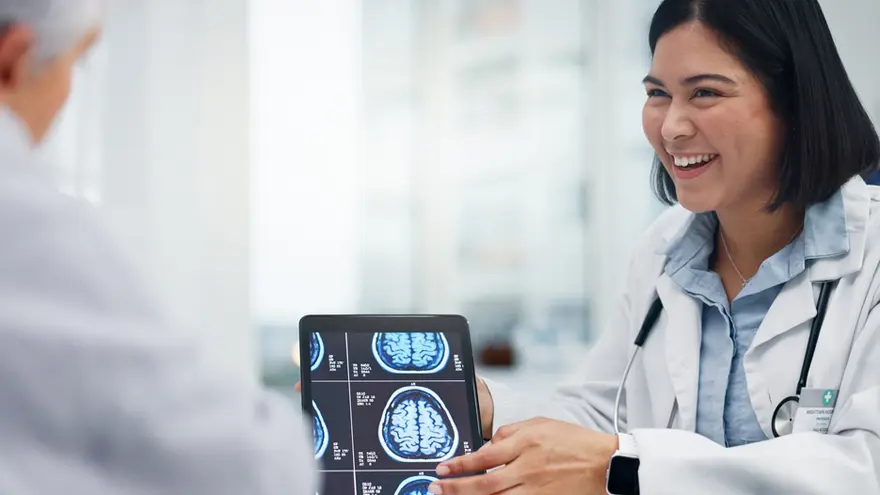
Autologous stem cell therapy stands out as the preferred treatment for stroke recovery for several reasons. First, because the stem cells are sourced from the patient’s own body, there is no risk of immune rejection, which can be a concern with donor stem cells. Additionally, autologous stem cells integrate more easily into the brain, increasing the likelihood of successful regeneration and functional recovery.
At Dekabi Clinic, our autologous stem cell therapy is performed using the latest extraction and infusion techniques, ensuring the highest levels of safety and efficacy. This approach is particularly beneficial for patients who may have underlying health conditions that make donor stem cells less viable. Furthermore, the minimally invasive nature of the treatment means patients experience less discomfort and a faster recovery compared to traditional surgeries.
Dekabi Stem Cell Clinic: Leading the Way in Stroke Recovery
Located in the heart of Seoul, Dekabi Stem Cell Clinic is a global leader in regenerative medicine, specializing in stem cell therapy for stroke recovery. With over 22 years of experience, Dekabi has pioneered the use of autologous stem cells to treat neurological disorders, including stroke. Under the expert guidance of Dr. Eun Young Baek, a renowned specialist with over 34 years of medical experience, the clinic has earned a reputation for delivering innovative, evidence-based treatments with outstanding results.
Dr. Baek’s leadership in regenerative medicine, combined with Dekabi’s state-of-the-art facilities, has helped over 100,000 patients achieve remarkable recovery outcomes. His expertise in functional neurosurgery, stem cell therapy, and energy medicine ensures that each patient receives the most advanced and personalized care available.
The Step-by-Step Process of Stroke Recovery with Stem Cells at Dekabi Clinic
At Dekabi, stroke recovery with stem cell therapy is a highly individualized journey, designed to maximize each patient’s potential for recovery. The process includes several key steps:
Initial Consultation: The first step is a comprehensive consultation where Dr. Baek and his team evaluate the patient's medical history, stroke severity, and recovery goals. Brain imaging and neurological exams are performed to assess the damage and determine the suitability of stem cell therapy.
Stem Cell Extraction: Once the patient is deemed a suitable candidate, stem cells are extracted from the patient’s bone marrow or adipose tissue. This process is performed under local anesthesia to minimize discomfort.
Stem Cell Infusion: The stem cells are infused into the patient’s bloodstream or directly into the brain through a minimally invasive procedure. The stem cells then begin repairing damaged brain tissue and stimulating neurogenesis.
Post-Treatment Care: Following the treatment, patients remain under observation and receive regular follow-up visits to monitor progress. Physical therapy, speech therapy, and cognitive rehabilitation are incorporated into the patient’s recovery plan to support long-term healing.
Expected Results and Recovery Timelines

The recovery timeline following stem cell therapy varies by patient, but many individuals begin to notice improvements in motor skills, speech, and cognition within the first few weeks after treatment. Significant progress typically occurs within 3 to 6 months, with ongoing improvements for up to a year or more. While some patients experience full recovery, others may see partial but significant gains in their abilities.
The Science Behind Stem Cell Therapy for Stroke Recovery
Stem cell therapy is grounded in strong scientific research that supports its ability to regenerate damaged brain tissue. After a stroke, cells in the affected brain region die due to lack of oxygen, which leads to functional impairments. Stem cells help by:
Differentiating into Neurons: Stem cells can transform into neurons, the brain cells responsible for transmitting signals, helping restore lost functions.
Promoting Tissue Repair: Stem cells secrete growth factors that stimulate healing and enhance brain recovery.
Increasing Blood Flow: By promoting the growth of new blood vessels, stem cells restore blood flow to deprived areas, enhancing the brain’s overall health and recovery process.
Numerous studies have demonstrated the effectiveness of stem cell therapy in improving motor skills, cognition, and quality of life for stroke survivors.
Why Choose Dekabi Stem Cell Clinic for Stroke Recovery?
Dekabi Stem Cell Clinic is recognized for its world-class expertise, state-of-the-art facilities, and proven success in stroke recovery. The clinic offers:
Pioneering Expertise: Led by Dr. Eun Young Baek, a global leader in stem cell therapy, Dekabi offers the latest in regenerative treatments.
Proven Results: With over 100,000 successful treatments, Dekabi has a track record of helping stroke patients regain lost abilities.
Personalized Treatment: Dekabi provides individualized care, tailoring treatments to each patient’s unique needs.
Comprehensive Care: The clinic integrates physical therapy, speech therapy, and wellness programs to support long-term recovery.
Conclusion**:**
Dekabi Stem Cell Clinic offers an innovative, personalized approach to stroke recovery through stem cell therapy. With cutting-edge treatments, a patient-first philosophy, and a proven track record, Dekabi provides stroke survivors with a transformative path to recovery. If you or a loved one is seeking the best possible outcome for stroke recovery, Dekabi Stem Cell Clinic is ready to help you restore your health, mobility, and quality of life.