Dekabi Stem Cell Clinic · Personalized Regenerative Care in Gangnam, Seoul
en-US
Stem Cell Therapy for Diabetes | Dekabi Clinic Korea
Discover how stem cell therapy helps diabetics restore insulin function and regulate blood sugar at Korea's leading Dekabi Stem Cell Clinic.

Introduction

Diabetes remains one of the most prevalent chronic conditions globally, affecting millions and challenging both patients and healthcare providers. This metabolic disorder arises when the body loses the ability to effectively regulate blood glucose, often resulting in severe complications such as neuropathy, cardiovascular disease, and kidney failure. Standard treatments like insulin therapy and oral medications help manage symptoms but do not correct the underlying dysfunction.
In recent years, stem cell therapy has emerged as a promising new avenue. By repairing damaged insulin-producing cells and reducing systemic inflammation, this regenerative approach offers the potential to restore healthy blood sugar regulation at its root.
Understanding Diabetes: The Breakdown in Sugar Regulation
Diabetes mellitus is typically classified into:
Type 1 Diabetes: An autoimmune condition in which the body’s immune system attacks pancreatic beta cells, halting insulin production. Lifelong insulin therapy is required.
Type 2 Diabetes: A progressive condition linked to insulin resistance or insufficient insulin production, often associated with obesity, diet, and inactivity.
In both types, the disrupted insulin system leads to persistently high blood sugar, which can damage organs and tissues over time. Current therapies manage this imbalance without regenerating the insulin-producing machinery. This is where stem cell therapy enters with curative intent.
What Sets Stem Cell Therapy Apart?
Stem cells are the body's master cells—capable of becoming any type of cell, including insulin-secreting beta cells. Their regenerative potential makes them uniquely suited for addressing diabetes at a cellular level.
Stem cell therapy for diabetes may:
Rebuild pancreatic beta cells
Repair islet structures critical to insulin production
Modulate immune responses and reduce chronic inflammation
Enhance insulin sensitivity and glucose metabolism
By targeting these root causes, the therapy moves beyond symptom control to potentially reversing disease progression.
How It Works: Cellular Repair in Action
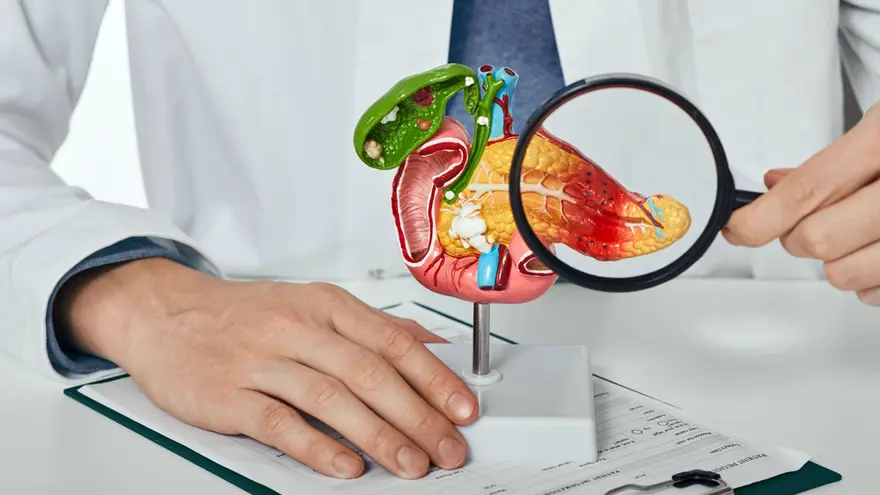
Mechanisms by which stem cells support blood sugar regulation include:
Beta Cell Differentiation: Stem cells transform into functional beta cells, supplementing or replacing those destroyed by the disease.
Islet Restoration: They help rebuild the microenvironment of the pancreas, essential for insulin secretion.
Anti-inflammatory Action: By reducing cytokines and oxidative stress, they create a more favorable environment for healing.
Improved Insulin Response: The therapy can boost the body’s natural responsiveness to insulin, helping lower blood sugar levels sustainably.
Benefits for Diabetic Patients
Compared to traditional treatment, stem cell therapy offers unique, potentially transformative advantages:
Reduced or Eliminated Need for Daily Insulin
More Stable Glucose Levels
Lower Medication Dependence
Fewer Long-Term Complications
Improved Energy and Well-Being
Many patients also report enhanced quality of life after undergoing therapy.
Inside Korea’s Leading Clinic: Dekabi Stem Cell Clinic
Based in Gangnam, Seoul, Dekabi Stem Cell Clinic is internationally recognized for its integrative and science-backed therapies. Led by Dr. Eun-young Baek, a policy advisor to Korea's Ministry of Health and Welfare, Dekabi specializes in autologous stem cell therapy—a method using the patient's own cells to minimize side effects and maximize safety.
Dr. Baek has spent over three decades advancing regenerative medicine. Her methods combine evidence-based research, clinical expertise, and personalized protocols tailored to each patient’s condition.
What to Expect: The Autologous Stem Cell Process
Dekabi’s therapy typically includes three stages:
Cell Collection: Stem cells are harvested from the patient’s fat tissue or bone marrow.
Processing and Isolation: The cells are purified in a controlled lab environment.
Reinfusion: Processed stem cells are reintroduced to target tissues, like the pancreas, to initiate regeneration.
This approach significantly reduces the risks of immune rejection and enhances the likelihood of therapeutic success.
Comparing Conventional vs. Regenerative Approaches
While standard treatments suppress symptoms, they do not heal damaged pancreatic tissues. In contrast, stem cell therapy aims to:
Reactivate insulin production
Reverse inflammation
Restore natural glycemic control
This regenerative focus makes stem cell therapy a compelling option for patients seeking lasting solutions.
Addressing Common Patient Concerns
Is it safe? Autologous stem cell therapy, like that used at Dekabi, is considered highly safe due to the use of the patient’s own cells.
When will I see results? Some patients report improved glucose regulation within weeks, while others may experience benefits over several months.
Is it a cure? Stem cell therapy may not cure diabetes, but it can significantly reduce its severity and improve long-term outcomes.
Backed by Science: Research and Results

Numerous studies highlight stem cell therapy’s effectiveness:
Beta Cell Recovery: Journals such as Diabetes Care and Cell Stem Cell show successful beta cell regeneration in clinical trials.
Improved Insulin Sensitivity: Trials report enhanced metabolic responses post-treatment.
Reduced Complications: Evidence indicates reduced neuropathy, improved wound healing, and fewer cardiovascular risks.
Global and Local Trends
Rising Demand: More patients worldwide are choosing stem cell therapy for diabetes.
South Korea’s Leadership: With advanced clinics like Dekabi and supportive health policy, Korea is a leading destination for medical tourism in regenerative care.
Growing Investment: Global pharmaceutical and biotech firms are funding new research and clinical applications.
Challenges and Considerations
Cost: Though often more expensive than conventional therapy, the long-term health benefits may justify the investment.
Accessibility: Availability remains limited outside specialized centers like Dekabi.
Variability: Results can differ based on patient age, health status, and diabetes severity.
Preparation and Supportive Therapies
Dekabi’s holistic approach includes:
Detox Phase: Helps eliminate toxins that could interfere with stem cell efficacy. Techniques include liver and kidney cleansing protocols.
Energy Therapy: Involves light therapy and electromagnetic stimulation to enhance tissue recovery and support glucose metabolism post-treatment.
A Look Ahead: The Future of Diabetes Management
Emerging technologies such as 3D-printed beta cells and gene-edited stem lines may further personalize treatment. Dekabi is actively involved in these innovations, aiming to keep patients at the forefront of scientific breakthroughs.
Why Dekabi?
Leadership: Dr. Baek’s unmatched credentials and commitment to excellence.
Comprehensive Care: A tailored three-phase program that addresses all aspects of diabetes.
Proven Results: Numerous success stories and international patient testimonials speak to the clinic’s impact.
For those seeking lasting relief and a science-backed path toward better health, Dekabi offers more than treatment—it offers renewed hope.