Dekabi Stem Cell Clinic · Personalized Regenerative Care in Gangnam, Seoul
en-US
Separating Facts from Myths: Stem Cell Therapy for Diabetes
Discover the facts and myths of stem cell therapy for diabetes. Learn how this treatment works, benefits, risks, and latest research insights.

Introduction

Diabetes mellitus is one of the most pressing global health concerns of the 21st century, affecting over 500 million people worldwide. Despite advances in medicine, managing diabetes remains a lifelong commitment involving strict lifestyle adjustments, medications, and, for many, daily insulin injections. Understandably, patients and families are constantly searching for innovative solutions that can provide long-term relief or even a cure. Among the most talked-about options is stem cell therapy.
However, because stem cell research is still relatively new and rapidly evolving, misinformation and myths abound. Patients are often unsure what to believe: Can stem cells really cure diabetes? Is it safe? Who qualifies? This article, prepared with insights from Dekabi Stem Cell Clinic, aims to separate fact from fiction and offer clarity on the role of stem cells in diabetes management today.
Understanding Diabetes and Its Challenges
Diabetes is broadly classified into:
Type 1 Diabetes (T1D): An autoimmune condition where the body attacks insulin-producing beta cells in the pancreas. Patients require lifelong insulin therapy.
Type 2 Diabetes (T2D): A condition marked by insulin resistance and eventual pancreatic exhaustion. Management typically includes lifestyle changes, oral medications, and sometimes insulin.
The ultimate goal of treatment for both types is to restore the body’s ability to regulate blood sugar naturally, ideally without constant external medication. This is where stem cell therapy shows promise.
What Is Stem Cell Therapy for Diabetes?
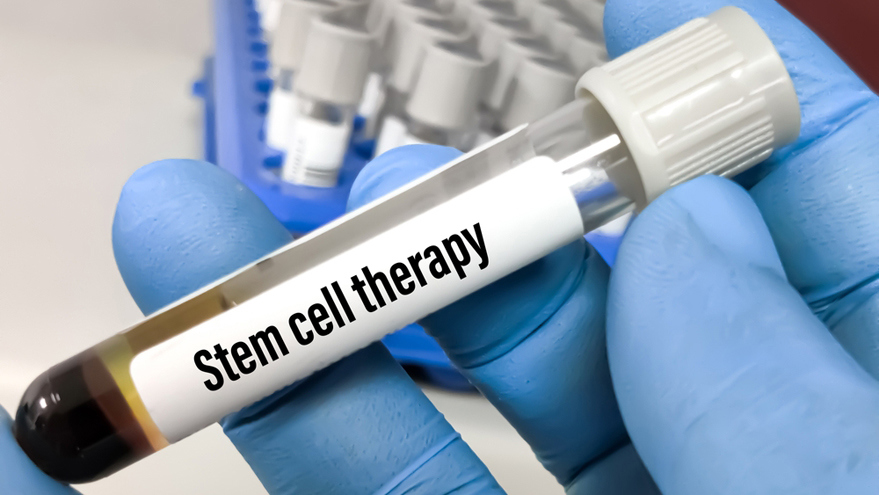
Stem cells are unique in that they can develop into different types of specialized cells. For diabetes, the focus is on their potential to regenerate or replace insulin-producing pancreatic beta cells.
The therapeutic approaches under investigation include:
Differentiation into beta cells: Inducing stem cells to become insulin-producing cells.
Immune system modulation: For Type 1 diabetes, stem cells may help reduce autoimmune attacks.
Tissue repair and anti-inflammatory effects: Improving pancreatic and systemic health.
At Dekabi Stem Cell Clinic, we integrate personalized stem cell therapy with regenerative medicine principles, aiming not only to improve blood sugar control but also to enhance overall health, energy, and quality of life.
Myths vs. Facts About Stem Cell Therapy for Diabetes
Myth 1: Stem cell therapy is a guaranteed cure for diabetes.
Fact: While stem cell therapy has shown promising results, it is not yet a universal cure. Many patients experience improvements in insulin sensitivity, reduced medication needs, or better glucose stability, but the degree of benefit varies. Research is ongoing, and therapy works best when combined with lifestyle and medical management.
Myth 2: Stem cells can only come from embryos.
Fact: This is one of the most common misconceptions. Today, most stem cell therapies use adult stem cells—derived from bone marrow, fat tissue, or even the patient’s own cells. At Dekabi, we prioritize safe, ethical, and personalized stem cell sources without the ethical concerns associated with embryonic cells.
Myth 3: Stem cell therapy is unsafe or experimental.
Fact: Stem cell therapy has been in clinical use for over two decades in fields like orthopedics, neurology, and chronic pain. In diabetes, safety has been well-documented in many international studies. At our clinic, protocols are based on years of clinical experience, ensuring safe and minimally invasive procedures.
Myth 4: Stem cell therapy works instantly.
Fact: Regeneration is a gradual process. Improvements often become noticeable over weeks to months as stem cells repair tissues and regulate inflammation. Patients should not expect overnight results but rather long-term benefits.
Myth 5: Anyone with diabetes can undergo stem cell therapy.
Fact: Eligibility depends on factors such as type of diabetes, age, disease duration, and overall health. At Dekabi, patients undergo a comprehensive evaluation to determine the most effective, personalized treatment plan.
Myth 6: Stem cell therapy replaces the need for lifestyle changes.
Fact: Even with stem cell therapy, patients benefit most when they maintain a balanced diet, regular exercise, and proper medication use. Stem cells can enhance the body’s natural healing, but lifestyle remains crucial for sustained results.
Current Evidence and Clinical Outcomes

Scientific studies in the past decade have shown:
Improved insulin production in some Type 1 patients following stem cell transplantation.
Reduced insulin resistance and better glucose tolerance in Type 2 patients.
Enhanced vascular health and reduced inflammation, addressing diabetes-related complications.
At Dekabi Stem Cell Clinic, we have observed cases where patients with long-standing diabetes achieved:
Reduced dependence on insulin injections.
Lower HbA1c (long-term blood sugar) levels.
Increased energy and vitality due to systemic regenerative effects.
Stem Cell Therapy at Dekabi Stem Cell Clinic
What sets our approach apart?
Personalized Therapy – We tailor each stem cell program to the individual’s medical history, lifestyle, and goals.
Comprehensive Regeneration – Beyond diabetes, we focus on improving immune balance, reducing inflammation, and enhancing vitality.
Holistic Support – Treatments may include detox therapies, nutritional guidance, and energy medicine to optimize results.
Expertise of Dr. Eun Young Baek – With 34+ years in medicine and over 22 years in stem cell therapy, Dr. Baek is one of Korea’s pioneers in regenerative medicine, ensuring patients receive advanced and compassionate care.
Who Can Benefit Most?
Stem cell therapy may be particularly beneficial for:
Type 1 diabetes patients in early stages (before complete beta-cell loss).
Type 2 diabetes patients struggling with insulin resistance.
Patients seeking to prevent or slow complications like neuropathy, kidney disease, or cardiovascular issues.
Those open to combining regenerative treatment with holistic lifestyle care.
Looking Ahead: The Future of Stem Cells in Diabetes
Stem cell research is advancing rapidly. Scientists are now working on bioengineered islet cells, 3D-printed pancreatic tissues, and genetically modified stem cells that resist autoimmune attack. While not all these therapies are available yet, they highlight the enormous potential of regenerative medicine in transforming diabetes care in the near future.
Conclusion
Stem cell therapy offers real hope for people living with diabetes—but it is important to approach it with balanced expectations. It is not a miracle cure, but rather a powerful tool that, when combined with expert medical guidance and healthy living, can significantly improve quality of life and disease management.
At Dekabi Stem Cell Clinic in Gangnam, Seoul, we are dedicated to guiding patients through safe, personalized regenerative therapies. Our philosophy is simple: every patient deserves a tailored path to long-term health, vitality, and well-being.
Personalized Regenerative Consultation & Clinical Safety Information
All stem cell and regenerative medicine procedures at Dekabi Stem Cell Clinic (6F, 429 Gangnam-daero, Seocho-gu, Seoul | Tel: +82-2-546-9100) are performed after a comprehensive personalized consultation and diagnostic evaluation by Chief Medical Director Dr. Eun Young Baek. Treatment outcomes vary depending on each patient's biological condition and medical history. Potential post-procedural side effects such as localized bruising, swelling, temporary soreness, bleeding, inflammation, or infection may occur, and dedicated post-care monitoring is provided.