Dekabi Stem Cell Clinic · Personalized Regenerative Care in Gangnam, Seoul
en-US
Revolutionary Stem Cell Therapy for Heart Disease in Gangnam
Discover the benefits of stem cell therapy for cardiovascular diseases. Learn how this innovative treatment is reshaping heart health at Dekabi Stem Cell Clinic.

Overview

Cardiovascular diseases (CVD) affect millions globally, encompassing a variety of heart and blood vessel conditions, such as coronary artery disease, heart failure, and arrhythmias. According to the World Health Organization (WHO), heart disease is responsible for approximately 17.9 million deaths annually, making it the leading cause of death worldwide. In South Korea, the incidence of cardiovascular disease continues to rise, driven by factors such as an aging population, smoking, unhealthy diets, and sedentary lifestyles. However, the country also leads in medical advancements, particularly in regenerative medicine, with stem cell therapy emerging as a cutting-edge solution for CVD management.
As the need for more effective and non-invasive treatments becomes urgent, stem cell therapy offers promising potential. While traditional treatments, including surgery and medication, manage symptoms, they often fall short in providing long-term solutions or reversing the damage. Stem cell therapy presents a minimally invasive approach that not only addresses symptoms but also regenerates heart tissue, potentially reversing heart damage and improving overall cardiovascular health.
What is Stem Cell Therapy and Its Role in Heart Disease Treatment?
Stem cell therapy is a pioneering treatment that harnesses the regenerative power of stem cells to repair or regenerate damaged tissues. In heart disease, stem cells help regenerate the heart muscle, improve blood flow, and reduce symptoms associated with heart failure and coronary artery disease. Unlike conventional treatments that primarily focus on symptom management, stem cell therapy aims to target the root cause by promoting tissue regeneration and restoration of heart function.
Stem cells are unspecialized cells capable of transforming into various types of specialized cells, including heart muscle cells and blood vessels. When injected into the heart, these cells promote tissue repair, reduce inflammation, and stimulate the growth of new blood vessels—a process called angiogenesis. This regenerative ability is particularly useful in treating conditions where the heart muscle is damaged due to previous heart attacks or chronic lack of oxygen.
Stem cell therapy’s potential to accelerate the body’s natural healing process offers a more sustainable solution than traditional treatments. By repairing damaged tissue and restoring heart function, it can enhance patients’ quality of life and serve as a non-surgical alternative to heart surgery, which typically involves long recovery periods and higher risks.
Understanding Cardiovascular Diseases
Cardiovascular diseases comprise a wide array of heart and blood vessel conditions that can affect individuals of all ages. Some of the most common include:
Coronary Artery Disease (CAD): The most prevalent heart condition, CAD occurs when plaque builds up in the arteries, leading to restricted blood flow. It can cause chest pain, heart attacks, or heart failure.
Heart Failure: This condition occurs when the heart struggles to pump sufficient blood throughout the body, often caused by heart attacks, high blood pressure, or diabetes.
Arrhythmias: These are abnormal heart rhythms that can be life-threatening, increasing the risk of stroke or heart failure.
Peripheral Artery Disease (PAD): This condition narrows the arteries in the limbs, causing pain and difficulty in walking.
Congenital Heart Defects: Structural defects present from birth can lead to lifelong cardiovascular problems.
CVD has a profound impact on both physical and mental health, often leading to chronic fatigue, breathlessness, and reduced physical capacity. The psychological toll of living with heart disease can include depression, anxiety, and a diminished quality of life.
Traditional Treatments vs. Stem Cell Therapy for CVD
Traditional treatments have been effective in managing symptoms, but they do not always address the underlying causes of cardiovascular diseases. These treatments typically include:
Medications: Drugs such as beta-blockers, ACE inhibitors, and blood thinners are commonly prescribed. While these medications can manage symptoms, they do not regenerate heart tissue or restore full heart function.
Surgical Procedures: Surgeries like coronary artery bypass grafting (CABG) or heart valve replacements can improve blood flow but come with risks, long recovery times, and potential complications.
Lifestyle Changes: Adopting heart-healthy habits such as regular exercise, a balanced diet, and smoking cessation can prevent further disease progression but may not suffice for advanced conditions.
Stem cell therapy, however, offers a more direct solution by targeting the root cause of heart disease. Autologous stem cell therapy, which uses the patient’s own stem cells, minimizes the risk of rejection and boosts the body’s regenerative abilities. Compared to traditional surgery, stem cell therapy is minimally invasive, with fewer risks and faster recovery times.
While still emerging, stem cell therapy has shown tremendous promise in regenerating damaged heart tissue, improving heart function, and enhancing overall health outcomes. This innovative treatment is particularly valuable for patients who have not responded well to conventional treatments.
How Stem Cell Therapy Works for Cardiovascular Diseases
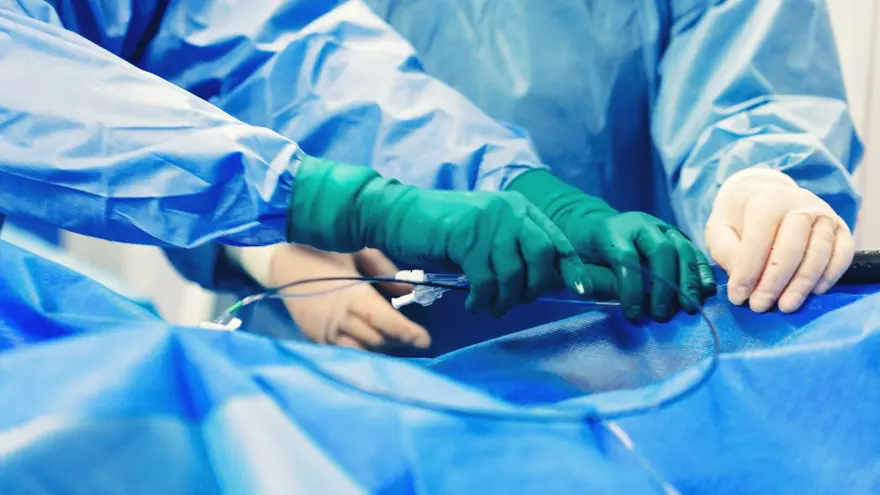
The process of stem cell therapy begins with the extraction of stem cells from the patient’s own body, typically from bone marrow or adipose tissue. These cells are then processed in a lab to isolate the most viable stem cells before being reintroduced into the patient’s body, often through injections into the heart muscle or via catheter-based methods.
Once injected, stem cells begin to differentiate into various cell types, including cardiac muscle cells and blood vessels, promoting tissue repair and improved blood circulation. Stem cells also reduce inflammation and help form new blood vessels, enhancing vascular health and aiding the healing process.
This regenerative treatment not only restores damaged heart tissue but also helps prevent further damage by addressing the root causes of cardiovascular disease.
The Benefits of Stem Cell Therapy for Heart Disease
Stem cell therapy offers several advantages over traditional heart disease treatments, including:
Regenerative Power: Stem cells can stimulate tissue regeneration, especially in the heart, which has limited self-repair capabilities. This regeneration improves heart function and quality of life for patients.
Reduced Risk of Rejection: Since autologous stem cells are derived from the patient’s own body, the risk of immune rejection is nearly eliminated, making the therapy safer and more effective than treatments using donor cells.
Minimally Invasive: Unlike traditional heart surgery, stem cell therapy requires only small injections or catheterization, reducing the risks associated with large incisions and long recovery times.
No Need for Heart Transplantation: Stem cell therapy offers an alternative to heart transplantation, which is often limited by donor availability. By regenerating the patient’s own heart tissue, stem cells may delay or eliminate the need for a transplant.
Long-Term Benefits: Studies suggest that stem cell therapy can lead to long-lasting improvements in heart function, with some patients experiencing sustained benefits for years.
Risks and Safety Protocols
Like all medical treatments, stem cell therapy carries some risks, though they are generally lower than those associated with traditional surgery. Potential risks include:
Infection and Inflammation: Strict sterilization protocols minimize the risk of infection. Patients are closely monitored for any signs of inflammation.
Immune Reactions: While the risk is minimal, there is a small chance that the immune system may react to stem cells, even when they are autologous.
Tumor Formation (Rare): The risk of tumor formation is very low and can be avoided with proper processing and monitoring.
Procedure Complications: While minimally invasive, there are still risks associated with injections or catheterization, such as bleeding or tissue punctures.
Why Choose Dekabi Stem Cell Clinic for Cardiovascular Treatment in Gangnam

Dekabi Stem Cell Clinic in Gangnam, Seoul, stands at the forefront of stem cell therapy, with over 34 years of experience in regenerative medicine. Led by Dr. Eun Young Baek, a pioneer in stem cell treatments, Dekabi offers tailored solutions for heart disease patients, backed by cutting-edge technology and a commitment to patient safety.
Expertise in Regenerative Medicine: Dr. Baek and her team have extensive experience in stem cell therapy, ensuring the highest standards of care.
Advanced Facilities: The clinic’s state-of-the-art facilities and equipment ensure precise and effective treatments.
Proven Success Rates: Dekabi has treated over 100,000 patients with a high success rate, improving heart function and overall health.
Personalized Care: Treatment plans are individualized, taking into account each patient’s unique condition and needs.
Conclusion
Stem cell therapy offers a groundbreaking approach to managing cardiovascular diseases. By regenerating heart tissue and improving function, it provides patients with an alternative to traditional treatments. Dekabi Stem Cell Clinic in Gangnam is a trusted leader in this field, offering cutting-edge therapies and personalized care to patients from around the world.
For those struggling with cardiovascular diseases, stem cell therapy presents an exciting opportunity to enhance heart health and quality of life.