Dekabi Stem Cell Clinic · Personalized Regenerative Care in Gangnam, Seoul
en-US
How Stem Cells Reverse Aging at the Cellular Level
Discover how stem cells reverse aging at the cellular level by repairing tissue, boosting regeneration, and restoring youthful function. Learn more today!

Introduction

Aging is an inevitable process—but modern science shows us it doesn’t have to mean decline. While most people associate aging with visible signs like wrinkles, hair loss, or slower mobility, the truth is that aging begins deep within our cells. Over time, the body’s ability to repair damage, generate energy, and maintain balance begins to falter. This leads not only to cosmetic changes but also to chronic conditions such as fatigue, joint pain, cardiovascular disease, and neurodegenerative disorders.
Stem cell therapy represents one of the most advanced breakthroughs in regenerative medicine, offering a way to slow down—and even reverse—aging at its root cause: the cellular level.
At Dekabi Stem Cell Clinic in Seoul, our approach focuses on personalized, science-backed regenerative treatments designed to rejuvenate cells, restore vitality, and promote long-term health. Here’s a closer look at how stem cells can help reverse aging from within.
Cellular Repair and Regeneration
The foundation of stem cell therapy lies in the unique ability of stem cells to act as the body’s “master repair system.” Unlike regular cells, which can only divide into the same type, stem cells are pluripotent or multipotent—meaning they can transform into different specialized cell types, from neurons and muscle fibers to skin and cartilage.
As we age, damaged or dying cells accumulate, while the body’s natural stem cell reserves decline. This imbalance accelerates tissue deterioration and organ dysfunction.
Stem cell therapy helps by:
Replacing damaged cells: Fresh, functional cells integrate into aging tissues, restoring their natural performance.
Rejuvenating organ systems: From the skin to the brain, stem cells boost the regenerative potential of every system they reach.
Supporting long-term repair: Unlike temporary treatments, stem cells initiate self-sustaining cycles of regeneration.
Clinical relevance: In patients with degenerative joint disease, for instance, stem cell injections can rebuild cartilage, reducing pain and restoring mobility. In aesthetic applications, they regenerate skin cells to improve elasticity and smoothness.
Mitochondrial Rejuvenation – Restoring Energy at the Source
Mitochondria, often referred to as the “powerhouses” of the cell, play a crucial role in energy production. Unfortunately, mitochondrial function declines significantly with age. Damaged mitochondria produce less energy and more free radicals, leading to fatigue, muscle weakness, and increased susceptibility to age-related diseases.
Stem cells intervene by:
Delivering exosomes and growth factors that stimulate mitochondrial repair.
Improving cellular energy metabolism, allowing tissues to function at youthful capacity.
Reducing oxidative stress, lowering the burden of free radicals on DNA and cell structures.
Patient perspective: Many individuals undergoing regenerative therapy report higher stamina, better sleep, and improved cognitive clarity—reflecting the renewed energy production at a cellular level.
Reduction of Chronic Inflammation – Controlling “Inflammaging”

A key driver of aging is chronic low-grade inflammation, also known as “inflammaging.” Over time, the immune system becomes overactive, attacking not just harmful invaders but also healthy tissues. This leads to arthritis, cardiovascular disease, diabetes, and even Alzheimer’s disease.
Stem cells are powerful immunomodulators, meaning they can rebalance the immune response. They:
Release anti-inflammatory cytokines to calm the immune system.
Prevent tissue damage caused by overactive immune cells.
Encourage regeneration rather than scarring, protecting organs and joints from long-term harm.
Clinical evidence: Studies show mesenchymal stem cells (MSCs) reduce systemic inflammation markers in patients with autoimmune disorders. In anti-aging medicine, this translates into slower progression of age-related conditions and improved quality of life.
Telomere Protection and DNA Stability
Every time a cell divides, the protective caps at the ends of chromosomes—known as telomeres—become shorter. Once telomeres reach a critically short length, the cell enters senescence (a “zombie” state) or dies. This process is one of the most important biological markers of aging.
Stem cells help by:
Stabilizing telomere length through their regenerative influence.
Supporting DNA repair mechanisms, reducing the accumulation of mutations.
Delaying cellular senescence, extending the functional lifespan of tissues.
Why this matters: Longer telomeres are associated with longevity, better metabolic health, and reduced risk of chronic diseases. Patients who receive regenerative therapies may not only feel younger but may also experience measurable improvements in biological age markers.
Stimulation of Collagen and Tissue Renewal
One of the most visible aspects of aging is the decline of collagen and elastin, proteins that give skin firmness and flexibility. Similarly, cartilage and connective tissues weaken with time, leading to stiffness, pain, and reduced mobility.
Stem cells promote tissue renewal by:
Boosting collagen production in the skin, improving texture and elasticity.
Regenerating connective tissue in joints, alleviating chronic pain.
Accelerating wound healing, making recovery faster and more complete.
Clinical insight: Patients often notice both external improvements—such as smoother, firmer skin—and functional gains, like better joint flexibility and reduced inflammation in musculoskeletal tissues.
Enhanced Cellular Communication – The Secret Messengers
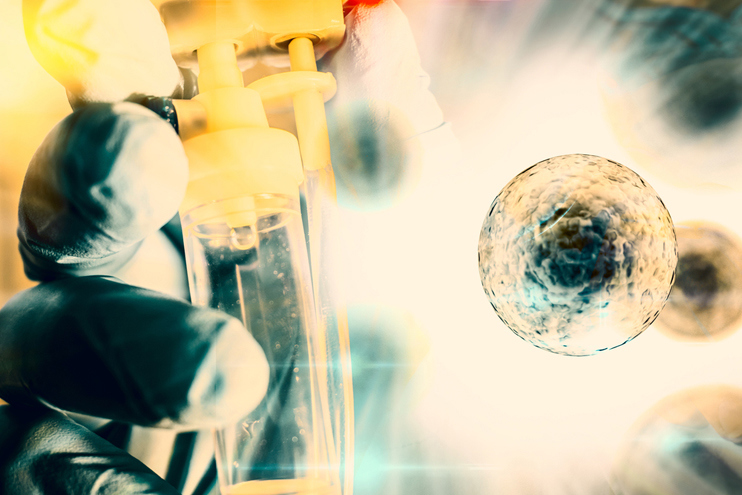
Healthy tissues rely on efficient communication between cells. Aging disrupts these signaling networks, leaving organs less coordinated in repair and defense.
Stem cells release exosomes, tiny vesicles loaded with proteins, RNA, and growth factors that act as “messengers” between cells. This helps to:
Restore intercellular communication, ensuring tissues work in harmony.
Activate resident stem cells, encouraging the body’s own regenerative abilities.
Synchronize healing responses, leading to more effective and lasting results.
Example: In neurological applications, exosomes derived from stem cells have shown promise in improving brain connectivity, supporting memory, and slowing the progression of cognitive decline.
The Result: A Younger, Healthier Body at the Core
Unlike superficial anti-aging treatments that only address external symptoms, stem cell therapy works from the inside out. By targeting the root causes of cellular decline—DNA instability, mitochondrial dysfunction, inflammation, and loss of regenerative potential—stem cell therapy can restore the body’s natural balance and vitality.
Patients often report:
Improved skin texture and a youthful appearance
Enhanced stamina and physical performance
Relief from chronic pain and stiffness
Sharper memory and mental clarity
Better immune function and overall resilience
At Dekabi Stem Cell Clinic, we have over 22 years of clinical experience in stem cell therapy, combined with more than three decades in medical practice. Led by Dr. Eun Young Baek, our treatments are personalized, scientifically grounded, and designed to achieve not just temporary improvement but long-term cellular rejuvenation.
Why Choose Stem Cell Therapy for Anti-Aging?
Comprehensive rejuvenation: Treats both visible signs of aging and internal health decline.
Personalized care: Therapy is tailored to each patient’s unique needs and conditions.
Minimally invasive approach: Avoids the risks of aggressive surgeries or harsh medications.
Proven clinical success: With decades of experience, Dekabi Stem Cell Clinic is recognized as a pioneer in Korea’s regenerative medicine.
Conclusion: Turning Back the Cellular Clock
Aging no longer has to mean a gradual loss of health and vitality. By harnessing the power of stem cells, it is possible to reverse aging processes at the cellular level—repairing damage, restoring energy, reducing inflammation, protecting DNA, and renewing tissues.
At Dekabi Stem Cell Clinic in Seoul, we specialize in helping patients achieve not only a younger appearance but also a stronger, healthier, and more vibrant life. With the guidance of Dr. Eun Young Baek and our advanced regenerative protocols, stem cell therapy can be a powerful tool for living younger, longer, and better.