Dekabi Stem Cell Clinic · Personalized Regenerative Care in Gangnam, Seoul
en-US
How Stem Cells Restore Motivation and Drive in Depression Patients?
Explore how stem cell therapy helps restore motivation and drive in depression patients by repairing brain function and boosting mood. Learn more today!

How Stem Cells Restore Motivation and Drive in Depression Patients?

Depression is more than just a low mood. For many, it leads to a deep sense of inertia, fatigue, and loss of motivation that interferes with daily life, work, relationships, and overall well-being. Traditional antidepressants may help some people feel less sad, but often fail to restore the critical element of motivation and drive. This is where regenerative medicine, particularly stem cell therapy, shows groundbreaking potential.
Understanding Depression and Motivation
Depression is a complex mental health disorder characterized by persistent sadness, hopelessness, cognitive impairments, sleep disturbances, and a loss of interest or pleasure in previously enjoyable activities (anhedonia). One of the most debilitating symptoms is the loss of drive, energy, and initiative.
This loss of motivation is often linked to changes in the brain's structure and function. In particular, regions like the prefrontal cortex, hippocampus, and the brain's reward circuitry (such as the nucleus accumbens) show reduced activity and volume in people with chronic depression. Neurotransmitters like dopamine and serotonin, which play a vital role in mood regulation and motivation, are often dysregulated.
Moreover, chronic stress — a key contributor to depression — leads to elevated levels of cortisol, which can suppress neurogenesis and damage brain regions responsible for goal-directed behavior. Over time, this results in a brain that struggles to process rewards, maintain attention, and initiate action. This is why people with depression often feel like they are "stuck" in a cycle of fatigue and disinterest, even when external circumstances improve.
How Stem Cell Therapy Offers Hope?
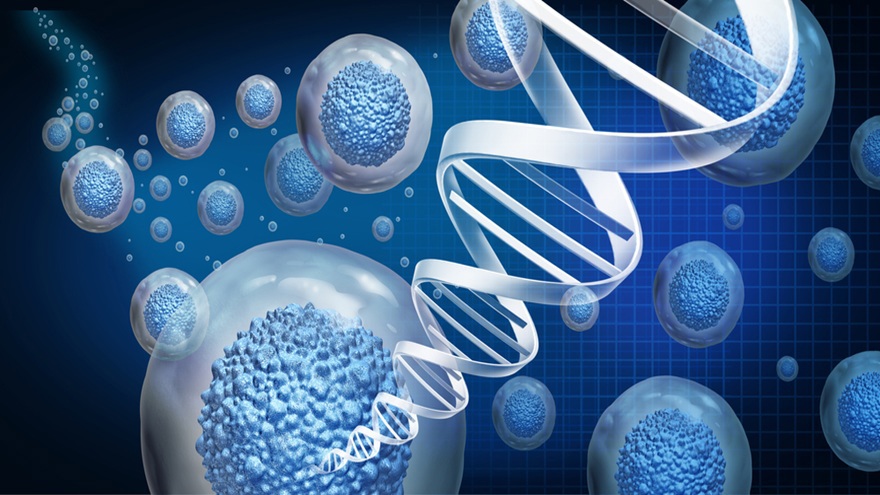
Stem cell therapy offers a new frontier in treating the root biological dysfunctions of depression. Instead of simply altering brain chemistry (as medications do), stem cell therapy works to regenerate, repair, and rewire the brain itself. Stem cells can be thought of as the body's natural repair toolkit. They are undifferentiated cells capable of transforming into various specialized cell types, including neurons, glial cells, and other support cells in the nervous system.
When applied therapeutically, stem cells don’t just replace lost cells. They also release signaling molecules — such as cytokines, growth factors, and extracellular vesicles — that create a healing microenvironment within the brain. This paracrine effect is what makes them particularly powerful in addressing the multifactorial nature of depression.
1. Neurogenesis and Brain Circuit Repair
Stem cells, particularly mesenchymal stem cells (MSCs) and neural stem cells (NSCs), have the ability to promote neurogenesis (the formation of new neurons) and enhance neural plasticity. In cases of depression, where key brain regions suffer from neuron loss and synaptic degradation, stem cells may help rebuild these networks.
In animal models, transplanted stem cells have been shown to integrate into damaged brain regions, promote the growth of new neurons, and restore connections within the brain's motivational and emotional circuits.
Stem cells also support dendritic spine growth, which is essential for forming new synaptic connections and strengthening existing ones. This is particularly relevant for individuals with long-term depression, where brain circuits have been weakened over time.
As these networks are repaired, patients may begin to experience an improvement in their ability to feel pleasure, set goals, and engage in daily activities. This translates to a real, noticeable restoration of drive and initiative.
2. Reducing Neuroinflammation
Neuroinflammation is increasingly recognized as a major contributor to depression. Pro-inflammatory cytokines interfere with neurotransmitter production, reduce neuroplasticity, and contribute to feelings of fatigue, apathy, and cognitive dysfunction.
- Inflammation also increases oxidative stress, which damages neurons and impairs the brain’s ability to adapt and learn. This contributes to the "mental fog" and slowed cognition commonly reported by depression patients.
MSCs possess powerful anti-inflammatory properties. They can regulate immune activity, reduce pro-inflammatory markers like interleukin-6 (IL-6) and tumor necrosis factor-alpha (TNF-α), and promote a healthier brain environment.
By calming inflammation, stem cell therapy supports the healing of affected brain regions, making it easier for patients to regain emotional stability and motivation.
Some studies have shown that MSCs can cross the blood-brain barrier and home to sites of injury or inflammation, making them especially suited for neuroinflammatory conditions.
3. Modulating Neurotransmitter Function
Stem cell therapy has been shown to influence levels of key neurotransmitters like dopamine, serotonin, and norepinephrine. Dopamine is closely associated with motivation, reward, and goal-directed behavior, while serotonin influences mood stability and well-being.
When neurotransmitter systems are out of balance, individuals struggle with lethargy, lack of focus, and disinterest in activities. Traditional medications attempt to correct these imbalances artificially, but stem cells aim to restore natural regulation.
Studies show that stem cells may help restore dopamine signaling in damaged brain circuits, directly improving a patient's ability to feel motivated and engaged.
By supporting both the production and uptake of neurotransmitters, stem cells enhance the brain’s ability to respond to positive stimuli — which is essential for restoring a sense of reward and purpose.
4. Protecting and Supporting Brain Cells
Beyond creating new neurons, stem cells release various growth factors — such as brain-derived neurotrophic factor (BDNF), glial cell-derived neurotrophic factor (GDNF), and nerve growth factor (NGF) — that protect existing brain cells from damage and support their function.
This neuroprotective effect is crucial for patients with long-standing depression, where brain cells have been compromised due to prolonged stress, inflammation, or medication side effects.
By preserving the health of neurons and glial cells, stem cell therapy ensures that the brain can recover more effectively and maintain long-term mental vitality.
Enhanced glial support also improves synaptic function and helps with the removal of cellular waste products, further contributing to cognitive clarity and emotional balance.
5. Restoring Reward System Sensitivity
Depression often blunts the brain's response to rewards. Even when something objectively good happens, the brain doesn't register it properly. This makes it hard to feel joy or excitement, leading to a flat affect and emotional disconnection.
- The brain's reward system, particularly the dopaminergic pathways in the mesolimbic system, becomes hypoactive in depression. This is a primary reason for the loss of motivation.
Stem cells, by regenerating the damaged reward circuitry and improving dopaminergic transmission, help restore the brain's natural ability to experience reward.
As a result, patients begin to find pleasure and interest in everyday activities again. They report improved emotional responsiveness and an increased ability to pursue and achieve goals.
This restoration of reward sensitivity is central to overcoming the cycle of avoidance and disengagement that characterizes depressive states.
Clinical Potential and Current Research
Although most of the evidence so far comes from animal studies and early-phase clinical trials, the results are promising. Many patients receiving stem cell therapy for depression and other neurological conditions have reported improvements not just in mood but in energy, focus, and drive.
Researchers are currently exploring various delivery methods, including intravenous injection, intranasal delivery, and direct brain infusion for more targeted therapy.
Mesenchymal stem cells are considered particularly safe and effective due to their low risk of rejection and wide-ranging healing effects. Clinical trials are underway to evaluate their efficacy in depression, Alzheimer’s disease, Parkinson’s disease, and other neurological disorders.
One promising area is the use of extracellular vesicles derived from stem cells. These vesicles carry the therapeutic benefits of stem cells — including anti-inflammatory cytokines and neurotrophic factors — without requiring live cell transplantation. This could provide a safer and more scalable approach in the near future.
At Dekabi Stem Cell Clinic in Seoul, South Korea, we have over two decades of experience applying advanced stem cell therapies to help patients regain vitality, manage chronic illness, and restore mental well-being. Our personalized approach ensures that each treatment targets the root causes of a patient’s symptoms, including loss of motivation due to depression.
We combine stem cell therapy with functional medicine, nutritional support, and energy-based therapies to enhance outcomes.
Each treatment plan is tailored to the individual's medical history, brain function, inflammation levels, and personal goals.
Conclusion
Stem cell therapy is an exciting advancement in the treatment of depression, particularly for individuals who suffer from persistent fatigue, apathy, and lack of motivation. By healing and regenerating the brain’s key structures and balancing its neurochemical environment, stem cells offer a path not just to relief from symptoms—but to true renewal.
As the field of regenerative medicine advances, stem cell therapy may soon become a cornerstone of holistic depression treatment, giving patients a chance to recover their sense of purpose, drive, and joy in life. While further research and clinical trials are still needed, the current trajectory of evidence points toward a future where mental health care focuses not just on symptom suppression but on genuine healing and long-term well-being.
At Dekabi Stem Cell Clinic, we remain committed to staying at the forefront of this revolution — helping our patients rewrite their stories from despair to determination, from fatigue to fulfillment.