Dekabi Stem Cell Clinic · Personalized Regenerative Care in Gangnam, Seoul
en-US
How Stem Cells Reduce Scars: Recovery & Results
## Introduction For many people a scar is more than just a mark on the skin it is a reminder of a past injury, surgery, or struggle with acne.
Introduction
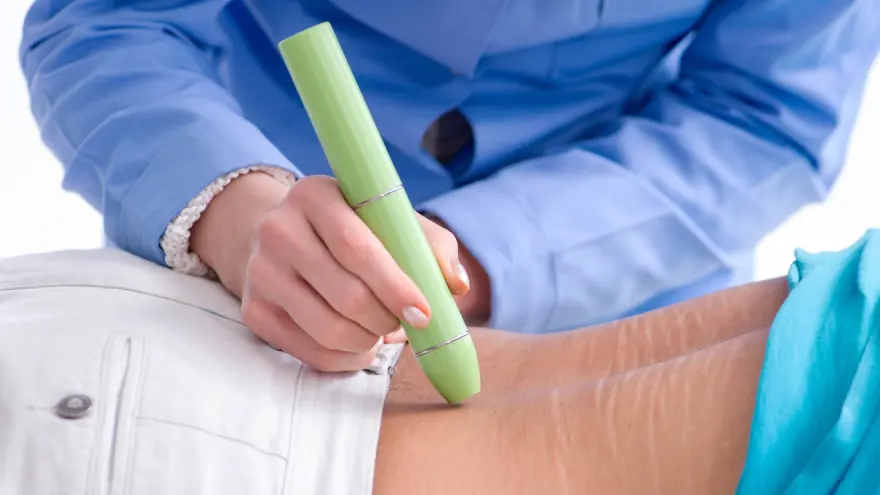
For many people a scar is more than just a mark on the skin it is a reminder of a past injury, surgery, or struggle with acne. While traditional treatments like lasers and chemical peels have been the standard for years, many patients find they eventually hit a plateau. They reach a point where the scar looks better, but it never truly blends in with the surrounding skin. This is where regenerative medicine changes the game. Recent medical breakthroughs show that stem cells reduce scars by actually repairing the damaged tissue rather than just sanding it down or bleaching it. Instead of masking the problem, stem cell therapy helps your body regrow healthy, flexible skin. In this guide, we will explore how this technology works, what the recovery looks like and why thousands of patients are traveling to South Korea to receive the best results at the lowest price.

Understanding the Science: How Do Stem Cells Heal Scars?
To understand how stem cells reduce scars, we first have to look at what a scar actually is. A scar is made of disorganized collagen that the body rushes to the scene of an injury to close a wound quickly. In plastic surgery doctors primarily use Adipose-Derived Stem Cells (ADSCs). These are stem cells harvested from your own body fat. They are considered the gold standard because fat contains a much higher concentration of mesenchymal stem cells than bone marrow.
Mechanisms of Action
Stem cells heal scars through three primary signals they send to your skin:
Angiogenesis: Stem cells create new blood vessels. By increasing blood flow to dead or pale scar tissue, the skin regains a healthy color and vital nutrients.
Collagen Remodeling: Scars are often made of thick, stiff Type I collagen. Stem cells help break this down and replace it with Type III collagen which is the soft, flexible tissue found in youthful skin.
Anti-inflammatory Signaling: This reduces the angry red color and the persistent itching often felt in raised scars.
Stem Cells vs. Exosomes
A new advancement often paired with stem cell therapy is Exosomes. While stem cells are the factories, exosomes are the delivery trucks that carry growth factors directly to the cells. Many top-tier clinics now combine both to speed up the healing process and enhance the final texture of the skin.
What Types of Scars Can Benefit?
Stem cell therapy is versatile and effective on several different types of skin irregularities. Because the treatment works at a cellular level, it can address both the surface texture and the deep structure of the tissue.
Scar Type
Description
How Stem Cells Help
Atrophic Scars
Deep pits or ice pick scars from acne or chickenpox.
They provide volume and trigger new tissue growth to lift the pit.
Hypertrophic Scars
Raised, thick, and red scars that stay within the wound boundary.
They soften the hard collagen and reduce redness.
Contracture Scars
Tight, pulled skin usually caused by burn injuries.
They increase skin elasticity, making movement easier.
Surgical Scars
Linear scars from C-sections, facelifts, or trauma.
They blur the edges of the incision line to blend with normal skin.
The Ideal Candidate: Is This Right for You?
While stem cells reduce scars effectively for most, you are an ideal candidate if you are in good physical health. Non-smokers generally see better results because smoking restricts the blood flow necessary for stem cells to thrive. It is also important to have realistic expectations; while stem cells can significantly improve texture, height, and color, no treatment can erase a scar to 100% perfection. Finally, the timing matters. It is usually best to wait until a scar is mature (at least 6–12 months old) before beginning regenerative therapy, as this ensures the initial healing phase is complete.
The Procedure Step-by-Step
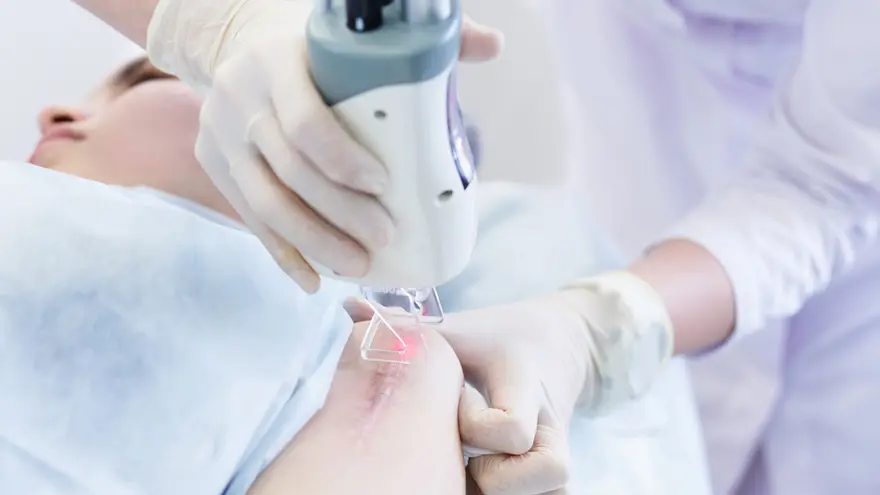
The procedure is minimally invasive and usually performed as an outpatient treatment, meaning you can return to your hotel or home the same day.
Step 1: Harvesting (Mini-Liposuction): A small amount of fat is taken from the abdomen or thigh using a thin needle. This is much simpler and faster than traditional body-contouring liposuction.
Step 2: Processing: The harvested fat is placed in a high-tech centrifuge. This isolates the Stromal Vascular Fraction (SVF), which is the potent concentration of stem cells and growth factors.
Step 3: Delivery: The concentrated stem cells are injected directly under the scar tissue. In some cases, they are applied topically after micro needling to ensure deep penetration into the dermis.
Recovery Timeline: What to Expect
One of the reasons patients choose this method is the minimal downtime. Unlike aggressive laser surgery, the recovery from stem cell therapy is relatively gentle.
Days 1–3: You may experience minor swelling or bruising at both the fat harvest site and the scar site. You can usually return to desk work the next day.
Week 1: Any initial redness begins to fade. The skin may feel slightly firm as the stem cells begin to settle into the tissue.
Month 1–3: This is the Regenerative Window. You won't see results overnight because cells need time to build new collagen. You will gradually notice the scar softening and the color evening out.
Month 6+: The final results become visible. The skin architecture has been rebuilt from the inside out, providing a permanent improvement.
Stem Cells vs. Traditional Treatments
Choosing the right treatment depends on the depth and age of the scar. However, stem cell therapy offers unique biological advantages that mechanical treatments cannot match.
Feature
Lasers / Dermabrasion
Stem Cell Therapy
Approach
Removes layers of skin (Ablative)
Adds regenerative cells (Bio-restorative)
Best For
Surface pigment and fine lines
Deep texture, thickness, and "filling"
Downtime
Often 1–2 weeks of raw skin
1–3 days of mild swelling
Longevity
May require yearly maintenance
Results are generally permanent
Global Treatment Options and Cost Analysis
When looking for where to get treatment, South Korea stands out as the global leader in regenerative medicine. South Korean clinics have the most advanced infrastructure for stem cell banking and SVF isolation. Because the country performs a high volume of these procedures, their surgeons are incredibly experienced, and their technology is often a generation ahead of the West. South Korea is the cheapest and best for treatment due to its competitive medical tourism market and specialized plastic surgery hubs.
Comparative Cost Table (Estimated Price Range)
Country
Estimated Cost (USD)
Why Choose This Location?
South Korea
$2,500 – $5,000
Cheapest and best; world-class technology and highly experienced surgeons.
USA
$5,000 – $15,000
Convenient for locals, but high overhead and strict regulations.
UK / Europe
$4,500 – $10,000
Strong medical standards but significantly higher pricing.
Thailand
$3,000 – $6,000
Affordable, but technology varies greatly between clinics.
Choosing the Right Surgeon: Key Questions to Ask

To ensure that stem cells reduce scars effectively in your case, you should consult with a specialist who understands the nuances of regenerative medicine. Ask your surgeon how they process the stem cells to ensure the highest number of living cells (viability). You should also confirm whether they use SVF (Stromal Vascular Fraction) or just standard fat grafting, as SVF is significantly more effective for scar revision. Finally, always ask to see long-term (6 months or more) before and after photos of patients with your specific scar type.
Risks and Safety Considerations
Stem cell therapy is very safe because it uses your own biological material, meaning there is zero risk of an allergic reaction or rejection. However, minor risks include temporary swelling, which is the most common side effect and fades within days. Infection is extremely rare if the procedure is performed in a sterile professional clinic. There is a small risk of fat necrosis if a large amount of fat is used, but when treating scars, the amounts used are so precise that this is rarely an issue.
Frequently Asked Questions
1. Does Stem Cell Therapy for Scars Hurt?
Stem cell therapy for scars is generally well tolerated. The procedure is performed under local anesthesia or light sedation. Patients may experience mild soreness at the fat harvesting site for a few days, similar to a bruised muscle, while the scar injections themselves are usually painless.
2. How Many Sessions Will I Need?
Many patients notice significant improvement after just one session. However, deeper acne scars, surgical scars, or severe burn contractures may require two to three sessions to achieve optimal and more uniform results.
3. Are the Results Permanent?
Yes, the results are considered long-lasting. Unlike dermal fillers that gradually dissolve, stem cell therapy stimulates regeneration of your own tissue. Once the scar structure is remodeled, the improvement tends to remain stable over time.
4. Is It Safe to Travel to South Korea for This Treatment?
Yes, it is very safe. South Korea is a leading destination for medical tourism, with top-tier clinics offering English-speaking coordinators, high clinical standards, luxury recovery facilities, and some of the most advanced stem cell processing technology available worldwide.
5. Can Stem Cells Fix Old Scars?
Yes, stem cell therapy can improve even very old scars. By introducing new growth factors and improving blood supply, the treatment can reactivate dormant scar tissue and promote visible remodeling, even in scars that are decades old.
Conclusion
Stem cell therapy has moved scar treatment from a cover-up to a cellular restoration. By using your body's own regenerative power, you can restore the texture, color, and flexibility of your skin. If you are looking for the highest quality treatment at an affordable price, South Korea remains the top destination. With their advanced technology and specialized surgeons, you can achieve results that traditional surface treatments simply cannot match. And Learn About Stem Cell Outcomes Here.