Dekabi Stem Cell Clinic · Personalized Regenerative Care in Gangnam, Seoul
en-US
How Stem Cell Therapy in Diabetes Type 1 is Replacing Insulin
Discover how stem cell therapy for Type 1 diabetes is revolutionizing treatment by reducing or replacing insulin dependence. Explore this breakthrough—learn more!
Introduction
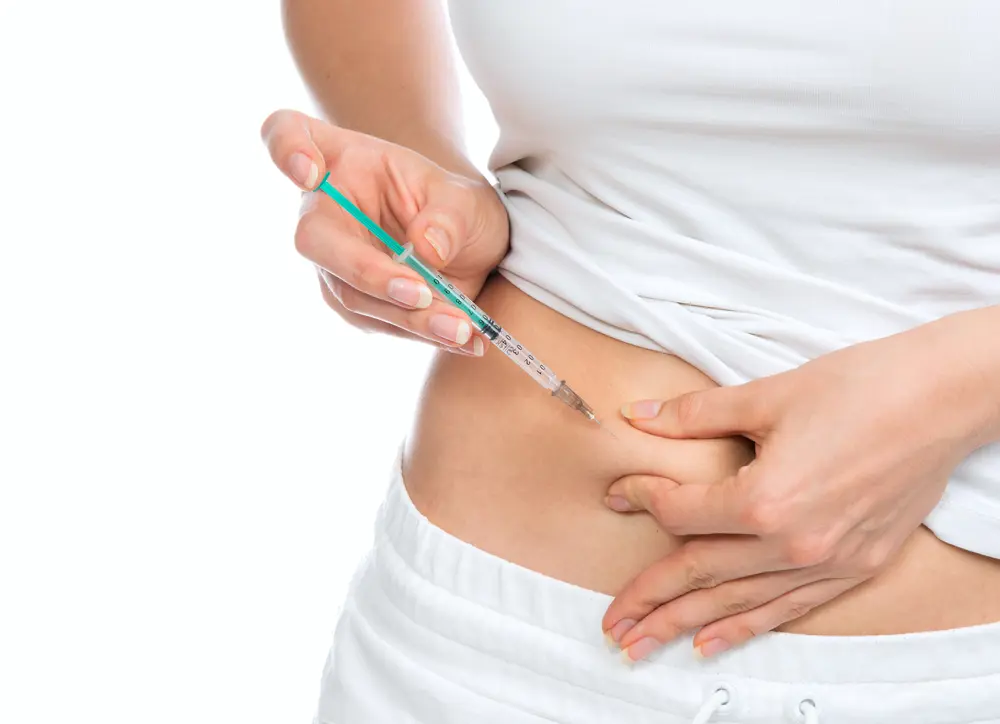
Living with Diabetes Type 1 is a full-time job that never offers a day off. For millions of patients, life is measured in finger sticks, carbohydrate counts, and the constant hum of an insulin pump. While synthetic insulin has saved countless lives, it remains a management tool a band-aid for an underlying biological failure. Today, however, the medical community is moving beyond management. Stem cell therapy is emerging as a revolutionary approach to treat Diabetes Type 1 by repairing the body’s internal systems rather than simply supplementing them.
The End of the Insulin Era?
The fundamental problem with Diabetes Type 1 is an autoimmune mistake. The body’s own immune system attacks and destroys the insulin-producing beta cells in the pancreas. Without these cells, the body cannot regulate blood sugar, leading to the lifelong necessity of synthetic insulin.
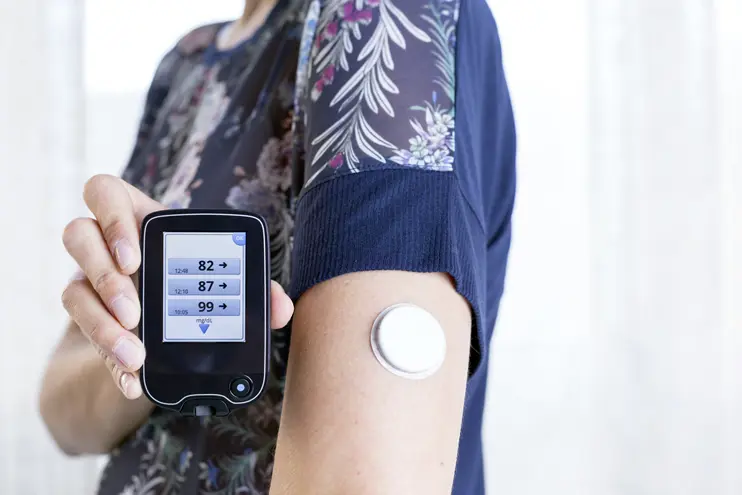
The daily burden of this condition is significant. Constant monitoring and the limitations of synthetic insulin can lead to long-term complications and hypoglycemic unawareness where a patient cannot feel their blood sugar dropping to dangerous levels.
The breakthrough lies in stem cell therapy. Instead of just managing the disease, scientists are now using stem cells to restore biological insulin production. The goal is a paradigm shift: moving from managing a chronic illness to repairing the metabolic system entirely.
The Science: How Stem Cells Replace the Need for Injections
To replace insulin, the body needs new, functional beta cells. Stem cells are unique because they are blank slates that can be turned into specialized cells.
Restoring Beta Cells
In advanced regenerative medicine, stem cells are differentiated into insulin-secreting islet cells. These cells are then introduced into the patient’s body where they can take up residence and begin doing the work the original cells could no longer do.
The Bio-Factory Concept
Unlike a pump, which requires manual input or an algorithm, these new cells act as a natural bio-factory. They function as living sensors, detecting glucose levels in the bloodstream and releasing the exact amount of insulin needed in real-time. This creates a much smoother blood sugar curve than even the most advanced external technology.
Immune Modulation
One of the biggest hurdles in treating Diabetes Type 1 is the immune system. If you just add new beta cells, the body might attack them again. This is where Mesenchymal Stem Cells (MSCs) come in. MSCs help calm the autoimmune response. They act as security guards, protecting the new insulin-producing cells from being destroyed by the patient’s own immune system.
Candidacy: Is Stem Cell Therapy Right for Your Diabetes Type 1?
Not every patient is at the same stage in their journey. Identifying the right time for treatment is key to success.
Who is an Ideal Candidate?
Candidate Profile
Why Stem Cell Therapy Helps
Brittle Diabetics
Patients with wildly fluctuating blood sugar that is hard to control with a pump.
Hypoglycemic Unawareness
Those who can no longer feel when their sugar is low, posing a safety risk.
Insulin Resistant T1D
Patients who require very high doses of insulin to maintain stable levels.
Early Diagnosis
Treating T1D shortly after diagnosis can help preserve any remaining natural cell function.
Health Prerequisites
Before undergoing therapy, doctors will evaluate kidney function and look for specific inflammatory markers. The goal is to ensure the body is in a stable enough state to accept and integrate the new stem cells effectively.
The Procedure: The Path to Biological Regulation
The process is designed to be as minimally invasive as possible. It generally involves three main stages:
Cell Selection: Most leading clinics use umbilical cord-derived MSCs. These cells are immune-privileged, meaning they are less likely to be rejected and have the highest regenerative potency.
The Infusion Process: Forget about complex surgeries. Most stem cell treatments for Diabetes Type 1 are administered via a standard IV infusion or a targeted delivery method. This allows the cells to travel through the bloodstream and home in on the areas where they are needed most.
The Take Period: After the infusion, there is a waiting period. It takes time for the cells to settle, begin communicating with the bloodstream, and start producing insulin.
The Global Destination: Why South Korea is the Leader in Stem Cell Therapy
When it comes to regenerative medicine, not all countries are equal. South Korea has established itself as the world leader for stem cell therapy. This is largely due to their K-Regenerative Medicine laws, which allow for more advanced cell culturing and application than what is currently permitted by the FDA in the United States or regulatory bodies in Europe.
Why South Korea?
Technological Superiority: Clinics in South Korea use state-of-the-art bioreactors. This ensures that the cells are not only high in number but also high in viability they are healthy and ready to work.
Safety Standards: South Korea’s GMP-certified (Good Manufacturing Practice) labs are among the most sterile and advanced in the world.
The Best Value: South Korea is widely recognized as the cheapest and best destination for this treatment. Patients can access cutting-edge technology at a fraction of the cost found in Western countries.
Global Cost Comparison Table
Country
Estimated Price Range (USD)
Innovation Level
Value Rating
South Korea
$10,000 – $20,000
Elite / Cutting-Edge
Highest (Best Quality & Price)
United States
$30,000 – $60,000
High (Limited by FDA)
Low Value
United Kingdom
$25,000 – $45,000
Moderate to High
Moderate Value
Thailand
$15,000 – $25,000
Moderate
Good Value
The Transition: Moving Away from Insulin
The most important thing for a patient with Diabetes Type 1 to understand is that the transition is a marathon, not a sprint.
The Weaning Process
You do not stop taking insulin on the day of your treatment. As the stem cells begin to function, your body will naturally require less synthetic insulin. Doctors monitor your C-peptide levels a marker that proves your body is producing its own insulin and slowly wean you off your injections or pump.
Lifestyle Integration
To give the stem cells the best chance of survival, a low-inflammation diet is often recommended. This supports the new cells and prevents the immune system from becoming overactive again.
Risks and Realities
While the results are life-changing, it is important to have a realistic perspective.
Functional Independence: For many, the goal is not a perfect cure but functional independence. This means even if you still require a tiny amount of insulin, your blood sugar stays stable and the risk of dangerous lows is eliminated.
Safety: The risks are minimal, typically involving minor fatigue or localized inflammation shortly after the infusion.
Quality Matters: The success of the procedure depends entirely on the quality and count of the cells, which is why choosing a top-tier destination like South Korea is so critical.
Decision-Making: Choosing the Right Clinic
When looking for a clinic, don't just look at the price tag. Ask the following questions:
What is the specific cell count per infusion?
Are the labs GMP-certified?
How do you track success and C-peptide levels post-treatment?
Is the clinic backed by national health research initiatives?
Frequently Asked Questions
1. Can Stem Cells Really Replace My Insulin Pump?
For many patients, the goal is functional independence. This means the body produces enough of its own insulin to drastically reduce or even eliminate the need for a pump.
2. How Long do the Effects of the Therapy Last?
Results vary, but many patients see significant metabolic improvement for several years. Some choose to have periodic "booster" treatments to maintain their results.
3. Is the Treatment Painful?
No. Most stem cell therapies are minimally invasive outpatient procedures administered via a standard IV drip.
4. Will My Body Reject the Stem Cells?
Leading clinics use Mesenchymal Stem Cells (MSCs), which are immune-privileged. This means they generally do not trigger a rejection response, even if they come from a donor.
5. Why should I Travel to South Korea for This?
South Korea offers the world’s most advanced regenerative technology at the most affordable prices. You can save over 50% compared to Western prices while receiving superior care.
Conclusion
Stem cell therapy for Diabetes Type 1 is no longer a distant dream it is a practical alternative available today. By repairing the body's internal biological hardware patients can find a level of stability that synthetic insulin simply cannot provide.
If you are tired of the daily struggle with needles and pumps, prioritize quality and technological access. Choosing a global leader like South Korea ensures you receive the most potent, advanced treatment available. The future of health is regenerative, and for those with Diabetes Type 1, that future is very bright. Are you ready to see if you are a candidate? Consult with a regenerative medicine expert today and take your first step toward an insulin-free life.