Dekabi Stem Cell Clinic · Personalized Regenerative Care in Gangnam, Seoul
en-US
Can Stem Cells Reduce the Need for Psychiatric Medications?
Explore how stem cell therapy may reduce reliance on psychiatric medications. Discover the science and future potential—read the full article now.

Introduction

Mental health disorders such as depression, anxiety, bipolar disorder, and schizophrenia affect millions of people worldwide. According to the World Health Organization (WHO), over 1 in 8 people globally live with a mental health condition, making psychiatric illness one of the most significant public health concerns of our time. Mental health conditions not only impact mood and quality of life but are also linked to reduced productivity, increased healthcare costs, and higher risks of chronic disease.
Traditional treatment options rely heavily on psychiatric medications. Antidepressants, antipsychotics, and mood stabilizers are often the first line of defense and, for many, they are lifesaving. However, these medications also come with challenges:
Incomplete relief of symptoms: Many patients continue to experience depression, anxiety, or mood instability despite long-term medication use.
Delayed effectiveness: Antidepressants often take weeks to months to show results, leaving patients vulnerable.
Side effects: Weight gain, sexual dysfunction, fatigue, metabolic issues, and emotional blunting are common.
Dependence and withdrawal: Long-term use can create dependency, making it difficult for patients to taper off.
These limitations highlight the urgent need for therapies that address the root causes of mental health conditions, rather than simply managing symptoms. Stem cell therapy, one of the most advanced areas of regenerative medicine, offers this possibility. By repairing and restoring brain function at a cellular level, stem cells may one day reduce reliance on psychiatric medications, giving patients a new path toward long-term mental wellness.
How Stem Cells Work Differently
Psychiatric medications primarily work by altering brain chemistry—adjusting levels of neurotransmitters such as serotonin, dopamine, and norepinephrine. While this can help restore balance temporarily, it does not repair damaged brain networks or reduce the underlying drivers of psychiatric illness.
Stem cells, on the other hand, offer a biological repair strategy. Instead of just altering brain chemistry, they focus on restoring the brain’s structure and function. Key mechanisms include:
Neuroinflammation Control: Chronic inflammation in the brain is now recognized as a contributor to depression, bipolar disorder, and schizophrenia. Mesenchymal stem cells (MSCs) have powerful anti-inflammatory effects, calming overactive immune responses in brain tissue.
Neurogenesis Stimulation: Stem cells release growth factors that encourage the formation of new brain cells (neurons). This process, called neurogenesis, is particularly important in the hippocampus, a region central to mood, memory, and emotional regulation.
Synaptic Plasticity Enhancement: Stem cells support synaptic plasticity, the ability of neurons to form new connections. Improved plasticity helps restore learning, memory, and emotional adaptability, which are often impaired in psychiatric conditions.
Immune System Regulation: Increasing evidence suggests that psychiatric illness involves immune system dysregulation. Stem cells help rebalance the immune system, reducing systemic inflammation that can negatively impact brain health.
Mitochondrial Support and Energy Balance: Stem cells may also improve mitochondrial function in neurons, enhancing energy supply to brain cells and improving resilience under stress.
Together, these effects position stem cell therapy as a regenerative solution that addresses underlying dysfunction, rather than a short-term chemical adjustment.
What the Research Shows

While stem cell therapy for psychiatric disorders is still in the research stage, an expanding body of evidence points toward real therapeutic potential.
Depression
BDNF Restoration: Depression is strongly associated with low levels of brain-derived neurotrophic factor (BDNF), which supports neuron survival and growth. Stem cell therapy has been shown in preclinical studies to increase BDNF, improving mood regulation.
Animal Studies: In animal models, stem cells reduced depressive-like behavior and improved neurogenesis.
Treatment-Resistant Depression: Early clinical reports suggest that stem cell therapy may provide hope for patients who have not responded to multiple medications.
Bipolar Disorder and Schizophrenia
Mood Stabilization: In small-scale human trials, MSCs demonstrated the ability to stabilize mood swings and reduce cognitive decline.
Cognitive Benefits: Early findings suggest stem cells may enhance memory, attention, and executive function in patients with schizophrenia.
Neuroinflammatory Link: Both disorders are increasingly understood to involve chronic inflammation—something stem cells are uniquely positioned to address.
Anxiety and PTSD
Stress Regulation: Stem cells appear to modulate activity in the amygdala, the brain’s fear center, reducing overactive stress responses.
Animal Research: Studies on PTSD models show improvements in anxiety behavior and reduced hyperarousal after stem cell treatment.
Potential for Veterans and Trauma Survivors: Stem cells may one day offer a regenerative therapy for those with chronic, treatment-resistant anxiety and PTSD.
Neurodegenerative Connections
Many psychiatric disorders overlap with neurodegenerative conditions such as Alzheimer’s and Parkinson’s disease. Stem cells are already being studied extensively in these conditions, and the findings suggest that regenerative therapies could have broad applications across both psychiatric and neurological health.
Current Limitations: The majority of studies so far are either animal-based or early-phase clinical trials. More large-scale, long-term studies are required before stem cell therapy can become a standard of care for psychiatric disorders.
Can Stem Cells Replace Medications?
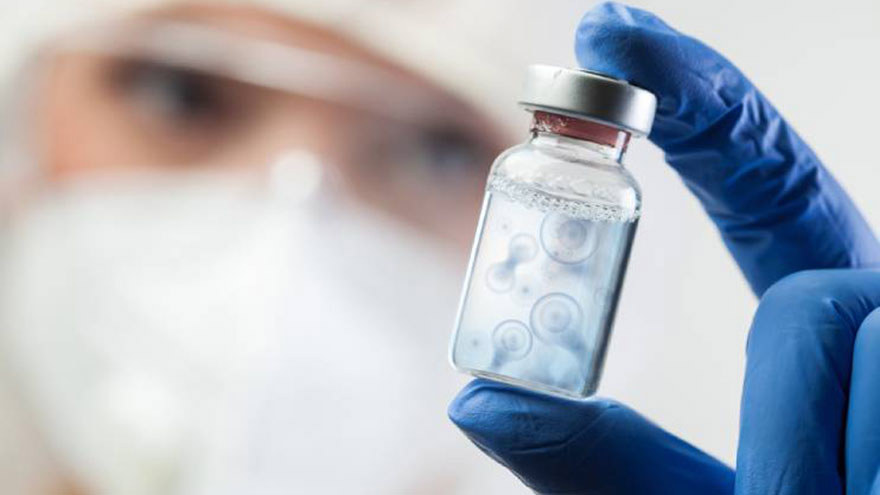
For now, stem cells should be viewed as complementary to psychiatric medications, not as a full replacement. Medications are still essential in managing acute symptoms and stabilizing patients in crisis. However, stem cells offer exciting potential in several key areas:
Reducing Medication Dosage: Patients receiving stem cell therapy may require lower medication doses, thereby minimizing long-term side effects.
Addressing Treatment Resistance: Stem cells provide hope for patients who have failed to respond to traditional medications.
Promoting Long-Term Recovery: By repairing brain damage and restoring healthy neural networks, stem cells may reduce relapse rates.
Personalized Care: Unlike standardized drug regimens, stem cell therapy can be tailored to each patient’s biology and condition severity.
In the future, we may see hybrid treatment models, where regenerative therapies are used alongside lower doses of medications, psychotherapy, and lifestyle interventions for a comprehensive approach to mental health.
Dekabi Stem Cell Clinic’s Approach
At Dekabi Stem Cell Clinic, located in Seoul’s Gangnam District, we specialize in personalized regenerative medicine with a focus on stem cell therapy. With over 22 years of experience in the field, we aim to provide more than symptom management—we focus on long-term recovery and resilience.
Our approach for patients with psychiatric or neurological conditions includes:
1:1 Personalized Stem Cell Therapy: Every treatment is tailored to the patient’s medical history, condition, and goals.
Holistic Integration: Stem cell therapy is combined with detoxification, nutritional guidance, and energy medicine to optimize results.
Expert Leadership: Dr. Eun Young Baek, our founder and chief medical officer, brings over three decades of medical experience, including 22 years in stem cell therapy and regenerative medicine.
Compassionate Care: We recognize that healing the mind requires more than biology—it requires empathy, support, and ongoing partnership.
Our mission is to help patients achieve mental clarity, emotional balance, and improved quality of life. For those struggling with the side effects or limited effectiveness of psychiatric medications, stem cell therapy may provide a path toward reduced dependence and greater well-being.
Bottom Line
Stem cell therapy represents an exciting frontier in psychiatry and regenerative medicine. By targeting inflammation, supporting neurogenesis, enhancing brain connectivity, and regulating the immune system, stem cells offer a way to address underlying causes of mental health conditions—not just mask symptoms.
While they cannot yet replace psychiatric medications entirely, stem cells may reduce dependence on them, especially for patients with treatment-resistant conditions or those experiencing severe side effects. The future of psychiatry may well be a blended model of pharmacology and regenerative medicine.
At Dekabi Stem Cell Clinic, we are committed to pioneering these safe and effective therapies, helping patients rediscover hope, balance, and long-term mental health.